Last updated November 22, 2026
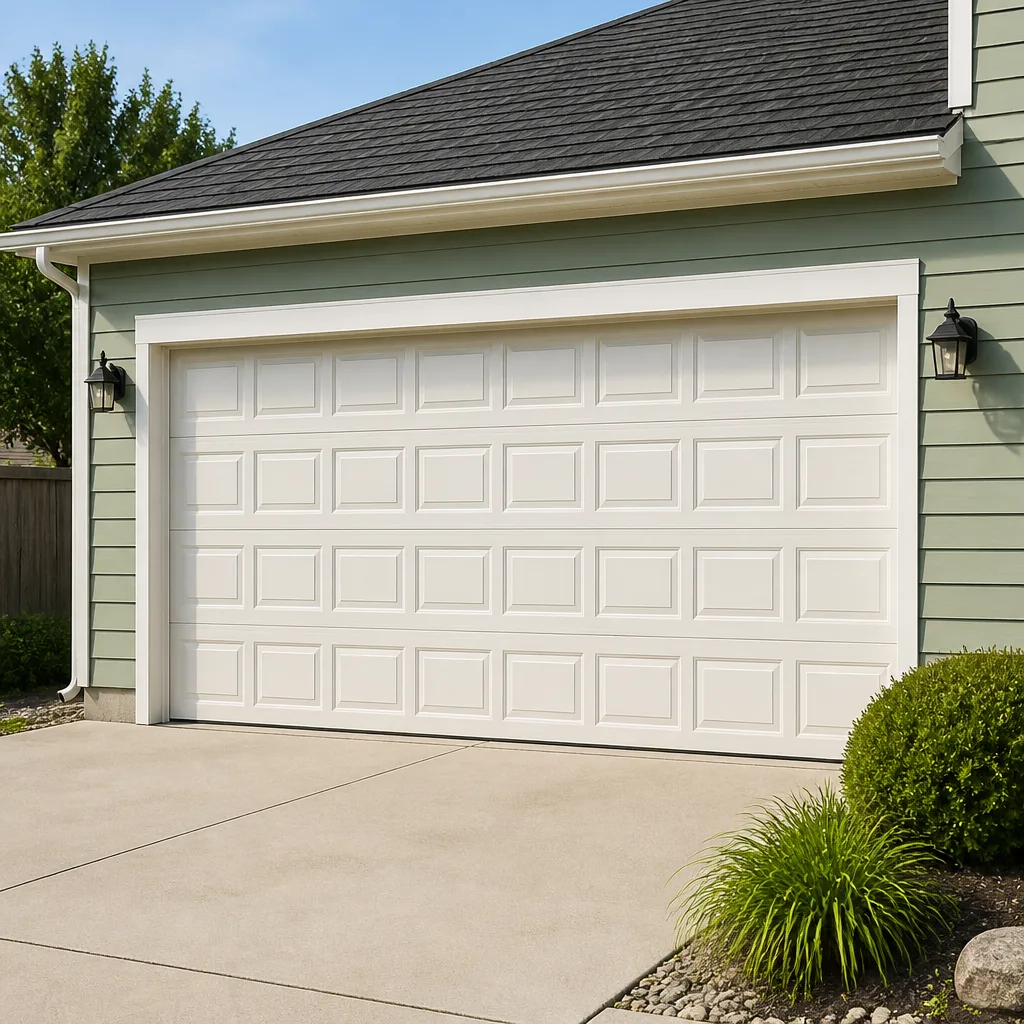 Raised-panel steel
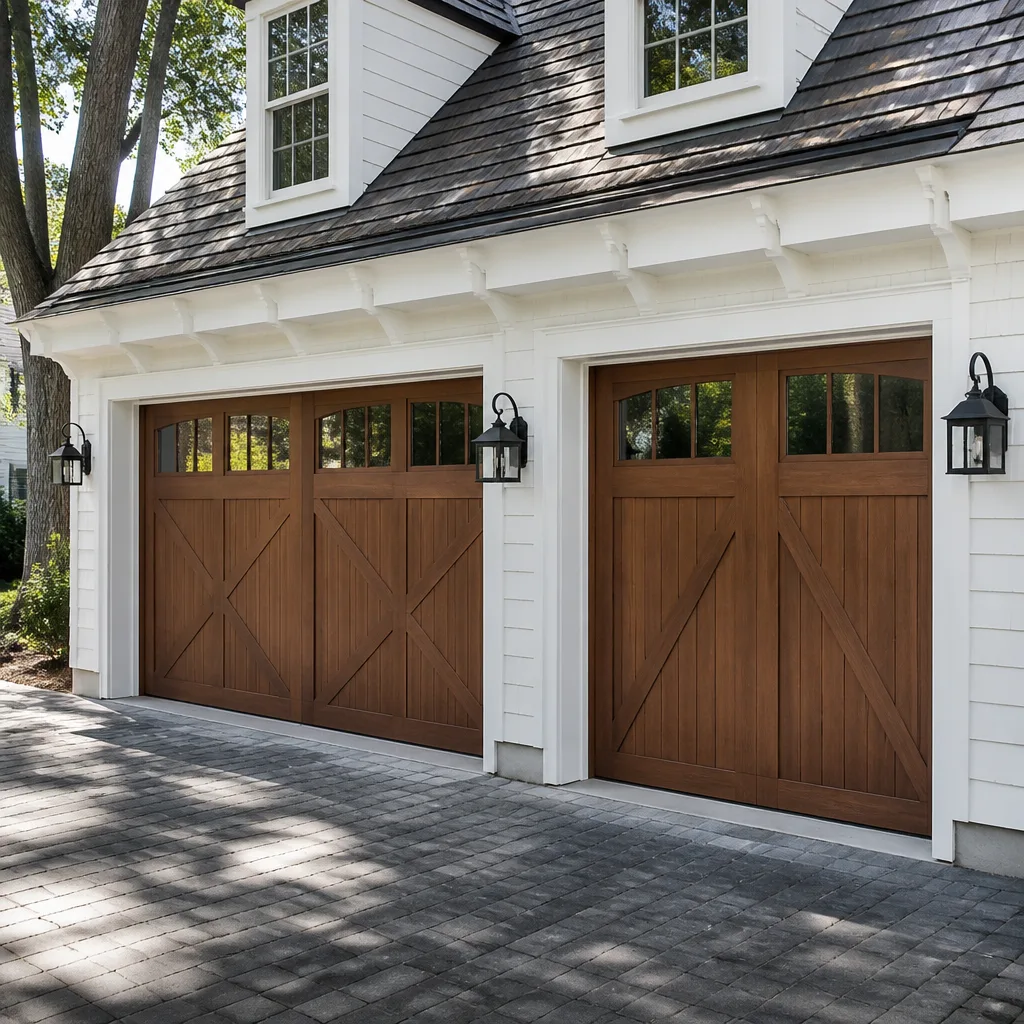 Carriage house
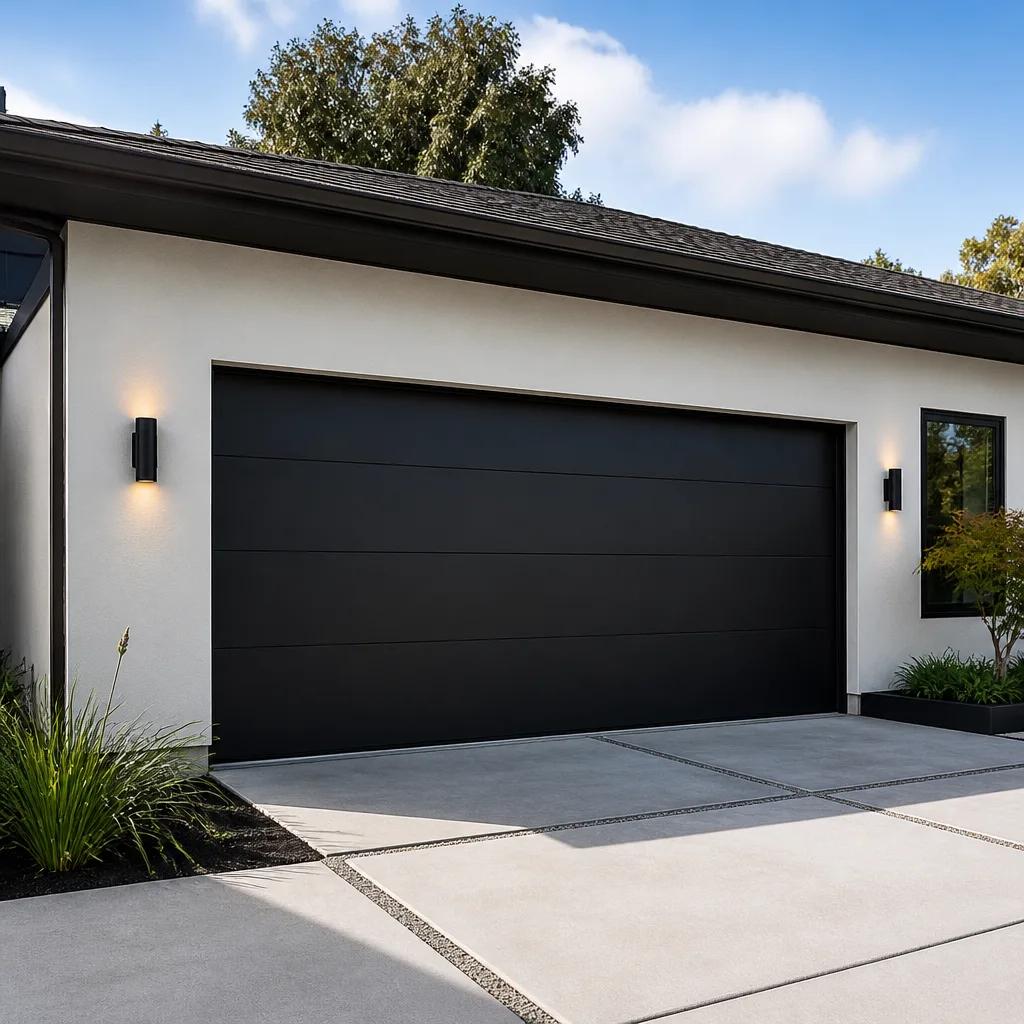 Modern flush
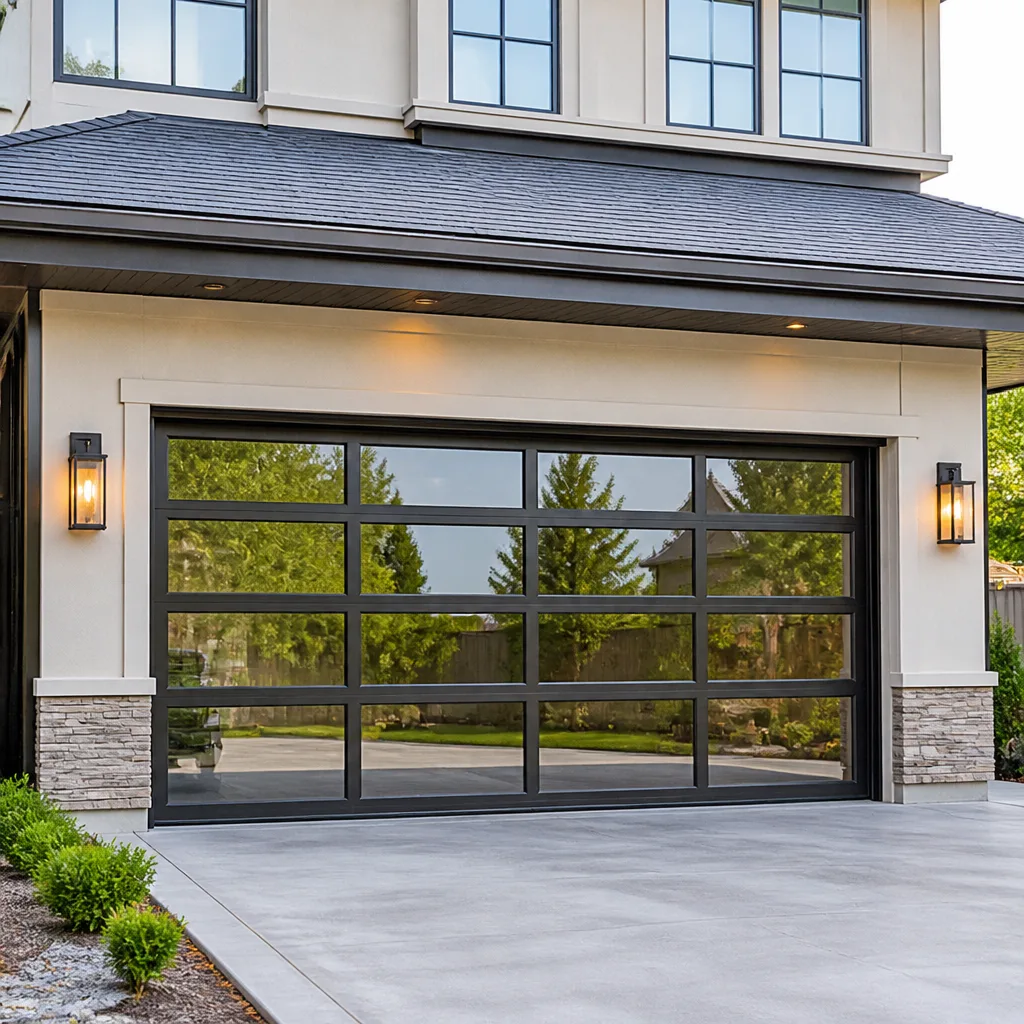 Full-view glass
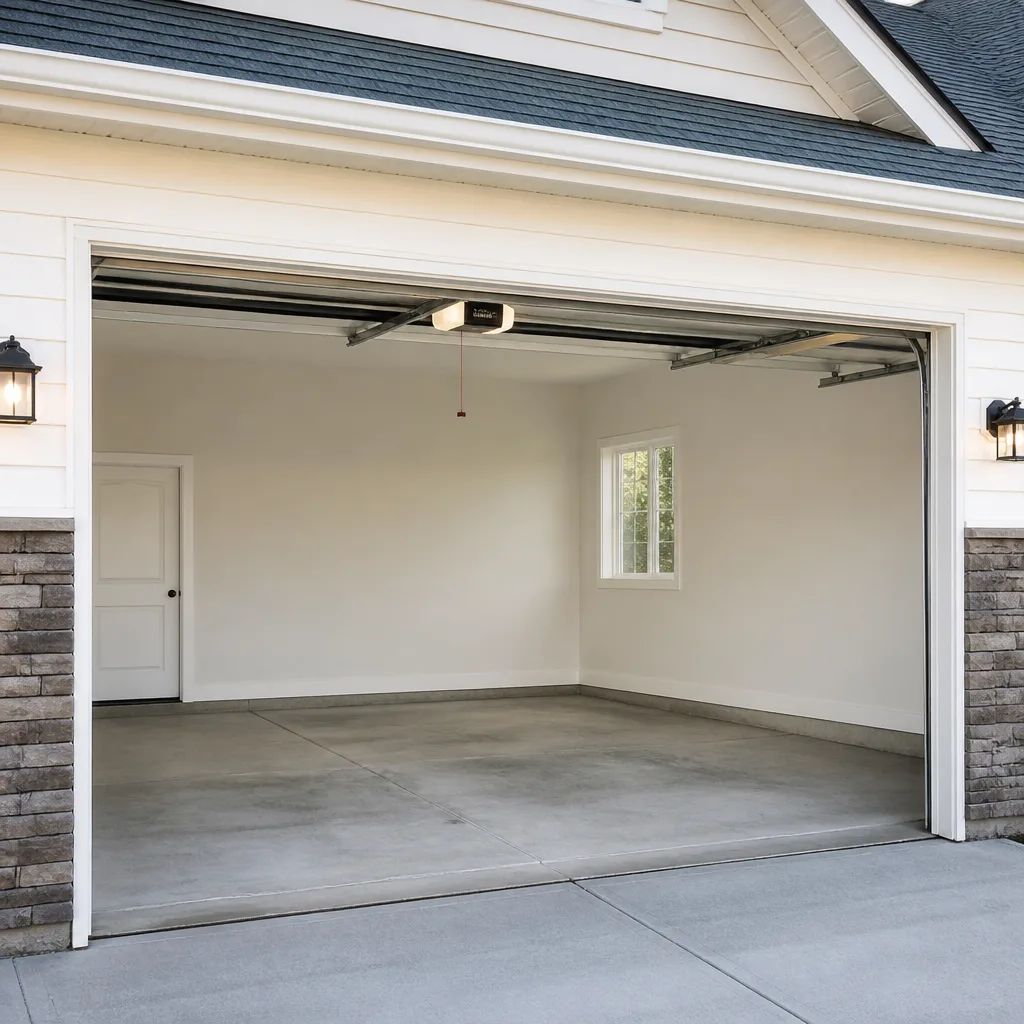 LiftMaster openers
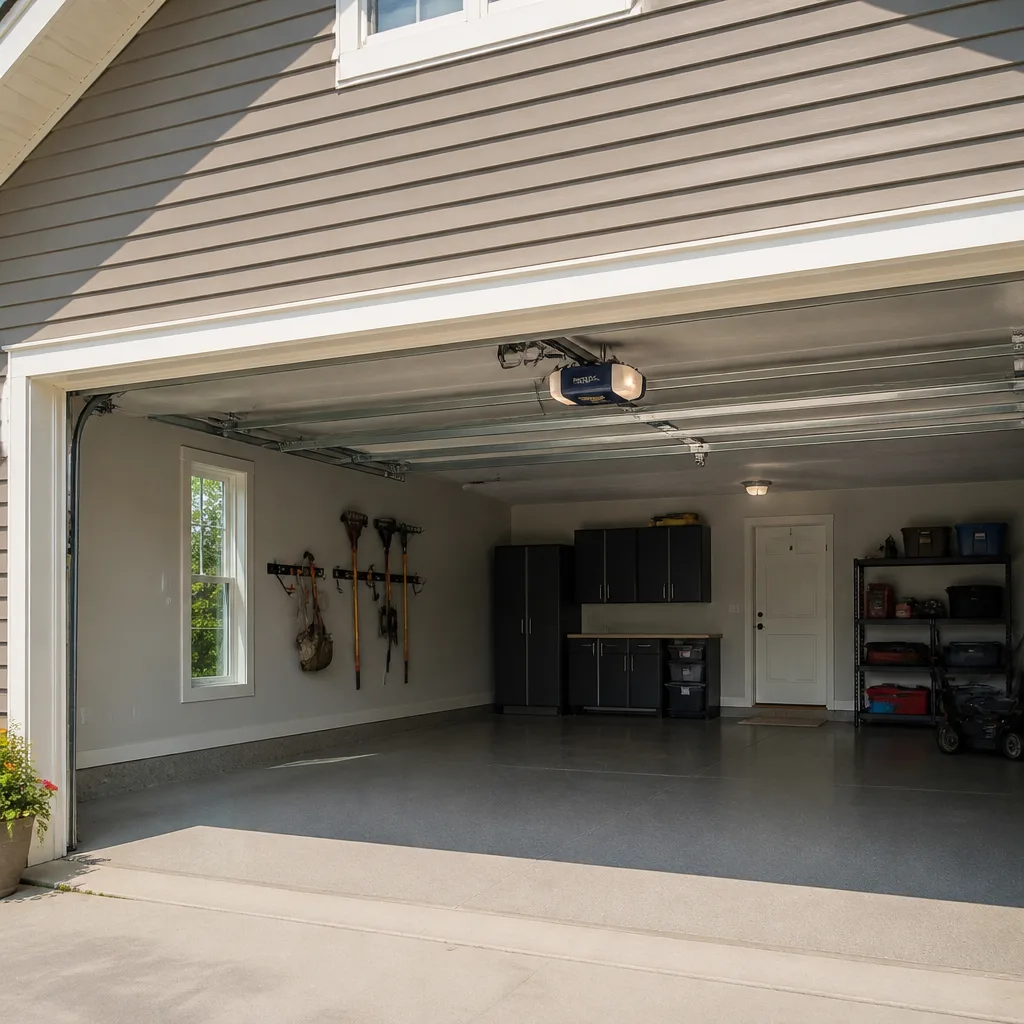 Chamberlain openers
Full 25-point door and opener safety check with every visit - springs, cables, rollers, tracks, and your LiftMaster or Chamberlain opener included
You get a price before we start. It does not change when the pro arrives.
Get your free estimateSeasonal Garage Door Care for Springfield: Year-Round Homeowner’s Guide
Most homeowners treat garage door maintenance as an annual chore – one Saturday in spring, a squirt of lubricant, done. That’s the calendar. It isn’t the work. In Springfield, your garage door faces four very different kinds of stress across the year, and each season breaks doors in its own way. The spring thaw cracks bottom seals. Summer humidity warps wood and swells steel panels. Fall debris loads your cables and jams your tracks. Winter freeze cycles are brutal on springs. This guide maps the maintenance calendar to those failure modes, not to the quarter. By the end, you’ll know exactly what to check, when to check it, and when to stop and call a professional. We’ll cover the March freeze-thaw window that snaps more torsion springs than any other month, the humidity problem most Springfield homeowners miss, and how to pick a bottom seal that actually stays flexible in a Clark County winter.
Quick Answer
Seasonal garage door care in Springfield comes down to four checkpoints: inspect springs and seals before the March freeze-thaw window, watch for humidity-driven warping and swelling in summer, clear tracks and cables of leaf debris in fall, and swap to a cold-rated EPDM or T-style bottom seal before winter. Most of this is visual inspection and light cleaning you can do yourself. Spring tension adjustments, cable replacement, and any work on high-tension components need a trained technician – those parts can cause serious injury if handled incorrectly.
Styles & brands we work with
- Raised-panel steel
- Carriage house
- Modern flush
- Full-view glass
- LiftMaster openers
- Chamberlain openers
Table of Contents
- Why Springfield’s Four Seasons Each Break Your Door Differently
- Spring: The March Freeze-Thaw Window and Spring Tension Inspection
- Summer: Humidity, Warping, and When Moisture Becomes Structural
- Fall: Cable and Roller Inspection After Leaf-Fall
- Winter: Choosing a Bottom Seal That Survives Below 20°F
- Month-by-Month Maintenance Map for Springfield
- Brand-Specific Notes: What Different Systems Need
- When to Call a Professional
Why Springfield’s Four Seasons Each Break Your Door Differently
A garage door is a mechanical system with dozens of moving parts, and every one of them responds to temperature and moisture. Springfield sits in a part of Ohio where the thermometer swings from single digits in January to the high 80s in July, and where precipitation comes as snow, sleet, rain, and humidity depending on the month. That range is what makes seasonal care here different from a mild climate where a door might coast for a decade on minimal attention.
Metal expands and contracts with temperature. Wood absorbs and releases moisture. Rubber and vinyl seals harden in cold and soften in heat. Lubricant thickens when it’s cold and thins when it’s hot. None of these changes is dramatic on its own. Stack them across a year of cycles and you get the failure patterns we see most often in Springfield:
- Spring: freeze-thaw cycles stress torsion springs and crack dried-out bottom seals
- Summer: humidity swells wood panels and can work into steel door insulation
- Fall: leaf debris and grit migrate into tracks and load rollers and cables
- Winter: cold hardens seals, stiffens lubricant, and adds freeze-thaw stress to springs
The point isn’t to frighten you into a service contract. It’s that timing matters. A spring inspection in November catches wear before winter stress hits. The same inspection in May catches it after the damage is done. Building your maintenance calendar around Springfield’s actual seasons, rather than an arbitrary annual date, is how you get years of reliable service out of the door already on your house.
Spring: The March Freeze-Thaw Window and Spring Tension Inspection
Ohio’s March freeze-thaw window is when more torsion springs snap than any other month of the year. The reason is simple physics. A torsion spring is under constant tension, and it’s made of steel that contracts in cold and expands in warmth. Through late winter and early spring, Springfield swings between freezing nights and mild days, sometimes repeatedly within the same week. Each cycle works the metal a little more. A spring that was already near the end of its service life doesn’t need much of a push.
That’s why pre-spring inspection matters. The goal is to find wear before the thaw finishes the job. Here’s what to check before the March window arrives:
- Look at the springs themselves. A torsion spring sits on a shaft above the door; extension springs run along the sides. Look for visible gaps or separation in the coil, rust blooms, or a stretched, uneven profile. Any of those means it’s time for a professional look.
- Listen to the door. A bang, snap, or groan when the door opens or closes is a warning. So is a door that feels heavier than usual when you lift it manually (only do this with the opener disengaged and the door in the down position).
- Check the bottom seal. Freeze-thaw cycles crack vinyl seals. Run a hand along the seal and look for splits, brittleness, or sections that have pulled away from the door.
- Test the balance. Disengage the opener and lift the door halfway. It should stay put. If it drifts down or feels heavy, the springs are out of balance.
- Inspect the weatherstripping around the frame. Spring rain finds every gap. Worn perimeter seals let water in and speed up rust on hinges and rollers.
Here’s the safety line: don’t adjust torsion springs yourself. They’re under extreme tension, and a spring that lets go during a DIY adjustment can cause severe injury. Torsion and extension spring work is high-tension, safety-critical work, and it’s a core specialty for us. If your pre-spring inspection turns up a worn spring, that’s a job for a trained technician with the right tools. We handle garage door spring repair as a routine call, and the estimate is free.
Summer: Humidity, Warping, and When Moisture Becomes Structural
Springfield summers bring heat and, more importantly, humidity. That combination does two things to a garage door. On wood and wood-composite doors, it swells panels and can warp the frame. On steel doors with foam or polystyrene insulation, moisture that gets behind the panel skin can degrade the insulation and start corrosion from the inside, where you can’t see it until it’s a problem.
The distinction that matters is between cosmetic and structural moisture. A little surface condensation on a humid morning is normal. What you want to watch for:
- Panels that no longer sit flush. Swollen wood or composite panels can push out of alignment, which strains hinges and rollers and can make the door bind in the tracks.
- Bubbling or soft spots on steel door faces. This usually means moisture has gotten behind the skin. Left alone, it spreads.
- Rust at the bottom edge and around hinges. Rust starting at the bottom is a sign water is pooling or wicking up from the floor.
- Sticking or squealing when the door moves. Humidity can cause wood to swell just enough to bind. It can also thin out old lubricant, leaving rollers dry.
Summer maintenance is mostly about moisture control and lubrication. Keep the garage ventilated when you can. Check that the door’s bottom seal sits flat against the floor so humid air and rain don’t blow in underneath. Wipe down steel door faces and touch up any chips in the paint before rust gets a foothold. And re-lubricate rollers, hinges, and the opener’s drive mechanism with a garage-door-rated lubricant, not WD-40 or household oil.
If you’ve got a wood or wood-composite door and the panels are visibly warping, that’s the point to get it looked at. A warped panel isn’t a cosmetic problem for long; it throws the whole door out of alignment and puts extra load on the opener and springs. If the door is older and the panels are compromised beyond repair, we’ll tell you honestly. Our approach is repair first, replace only when it makes sense, and that conversation is free.
Fall: Cable and Roller Inspection After Leaf-Fall
Fall in Springfield means leaves, and leaves mean debris. If your garage faces the street or sits under trees, you know the routine. What many homeowners don’t realize is that leaf debris and the grit that comes with it migrate into the track channels, and from there into the rollers, hinges, and cable path. That debris acts like sandpaper. It accelerates wear on every moving part it touches.
Fall is also when you want to inspect cables and rollers before the cold sets in, because a worn cable is far more likely to fail under winter stress. Here’s the inspection protocol:
- Clear the tracks. With the door closed, wipe out both vertical and horizontal tracks with a damp cloth. Don’t use grease in the tracks; it attracts more debris. A dry cloth and a light spray of silicone lubricant on the track surface is enough.
- Inspect the cables. Look at the cables that run along the sides. Fraying, kinks, rust, or a cable that’s come off a drum are all red flags. Cables are under high tension and should only be replaced by a technician.
- Check the rollers. Worn rollers develop flat spots, cracks, or a wobble. Nylon rollers should spin freely; steel rollers should be quiet. Replace any that are damaged.
- Look at the hinges. Hinges wear at the pivot points. A hinge that’s loose, bent, or squealing on every cycle is a candidate for replacement.
- Test the safety reverse. Put a piece of wood or a rolled-up newspaper on the floor in the door’s path and close the door. It should reverse on contact. If it doesn’t, the opener’s safety system needs attention before winter.
Fall is also the right time to clear gutters and trim back branches near the door. Ice dams and falling limbs are both harder on a door than leaves, and getting ahead of them in fall is easier than dealing with the damage in January. If your inspection turns up a cable or roller problem, don’t wait. Catching it now means a simple repair; catching it after a winter failure can mean a bigger job.
Winter: Choosing a Bottom Seal That Survives Below 20°F
Here’s a fact most homeowners learn the hard way: the standard vinyl bottom seal on many garage doors hardens and loses flexibility below about 20°F. Once it hardens, it stops sealing. Cold air pours in under the door, snow blows in, and the seal itself starts to crack and crumble. In a Clark County winter, that happens more often than you’d think.
The fix is choosing a seal material rated for cold. Two options hold up well:
- EPDM rubber seals. EPDM stays flexible at much lower temperatures than standard vinyl. It’s the more durable choice for a cold climate and holds its shape through repeated freeze-thaw cycles.
- T-style seals. These slide into a track on the bottom of the door and form a tighter barrier than a simple bulb seal. The T-style profile resists tearing and stays seated better when the door presses down on ice or snow.
When you’re picking a winter seal, check the temperature rating on the product. A seal rated to -40°F is overkill for Springfield, but one rated only to 20°F isn’t enough. You want something that stays pliable through the coldest nights Clark County gets. Also check the seal’s profile against your door’s bottom edge; not every door accepts every seal type, and a seal that doesn’t seat properly is worse than the old one.
Winter is also when you want to check the opener. Cold thickens lubricant and stiffens belts and chains, which puts more load on the motor. If your Chamberlain or Genie opener has been straining, the cold will make it worse. A quick service check before the first hard freeze catches most problems. And if your door won’t move at all in the cold, that’s exactly what our emergency service is for. Call us and we’ll get a technician out to look at it.
Month-by-Month Maintenance Map for Springfield
This map ties the tasks above to Springfield’s actual seasonal patterns. It’s a guide, not a rigid schedule; adjust for the weather you’re seeing. The key is doing each task ahead of the season that stresses that component, not after.
| Month | Focus | What to Do |
|---|---|---|
| January | Cold-weather monitoring | Listen for new noises; check seal contact with the floor; keep the opener’s safety reverse tested |
| February | Pre-thaw prep | Inspect springs for visible wear; check for ice buildup at the door’s base; clear snow from tracks |
| March | Freeze-thaw window | Full spring tension inspection by a technician if you see any wear; test door balance; check bottom seal for cracks |
| April | Spring cleanup | Lubricate rollers, hinges, and opener drive; inspect weatherstripping; check for rust starting at the bottom edge |
| May | Humidity watch begins | Check wood and composite panels for swelling; verify ventilation; touch up paint chips on steel doors |
| June | Summer lubrication | Re-lubricate moving parts; test the opener’s force settings; check that the bottom seal sits flat |
| July | Peak humidity | Look for warped panels, bubbling on steel faces, and binding in the tracks |
| August | Pre-fall check | Inspect rollers and hinges for wear; clear any debris from tracks; test safety reverse again |
| September | Leaf-fall begins | Clear tracks weekly; inspect cables for fraying; trim branches near the door |
| October | Cable and roller inspection | Full inspection of cables, rollers, and hinges; replace worn parts; clear gutters |
| November | Winter prep | Swap in an EPDM or T-style seal if yours is standard vinyl; service the opener before the cold; lubricate with cold-rated grease |
| December | Cold-weather watch | Keep the door’s base clear of ice; listen for straining from the opener; don’t force a frozen door |
If you only do four things this year, make them the March spring inspection, the July humidity check, the October cable and roller inspection, and the November seal swap. Those four touch every failure mode Springfield’s climate throws at a garage door.
Brand-Specific Notes: What Different Systems Need
Different doors and openers have different maintenance priorities, and knowing the brand in your garage saves time. We work on the brand already in your garage across eight of the most common residential lines: LiftMaster, Chamberlain, Genie, Clopay, Amarr, Wayne Dalton, Craftsman, and Raynor. Here’s what that means in practice for the seasonal calendar.
Openers. LiftMaster and Chamberlain systems, including smart and Wi-Fi-enabled models, tend to have belt or chain drives that benefit from a pre-winter lubrication and a force-setting check. Genie and Craftsman openers, which are common in older Springfield homes, often need the same service plus a look at the safety sensors, since a misaligned sensor is a frequent cause of a door that won’t close. If your opener is a wall-mount design, the seasonal check is more about the torsion system it drives than the motor itself.
Doors. Clopay and Amarr steel doors are the most common in this area, and their maintenance focus is rust prevention at the bottom edge and hinge points. Wayne Dalton doors often use a proprietary spring system that should only be serviced by someone familiar with it, which is one more reason to call a specialist rather than a general handyman. Raynor doors tend to be heavier, so balance and spring tension checks matter more.
Whatever the brand, a technician who knows the system diagnoses by knowledge, not guesswork. That’s the difference between a seasonal tune-up and a series of return visits. Our technicians have up to 15 years of experience across these lines, and our garage door opener repair covers both smart systems and standard drive platforms.
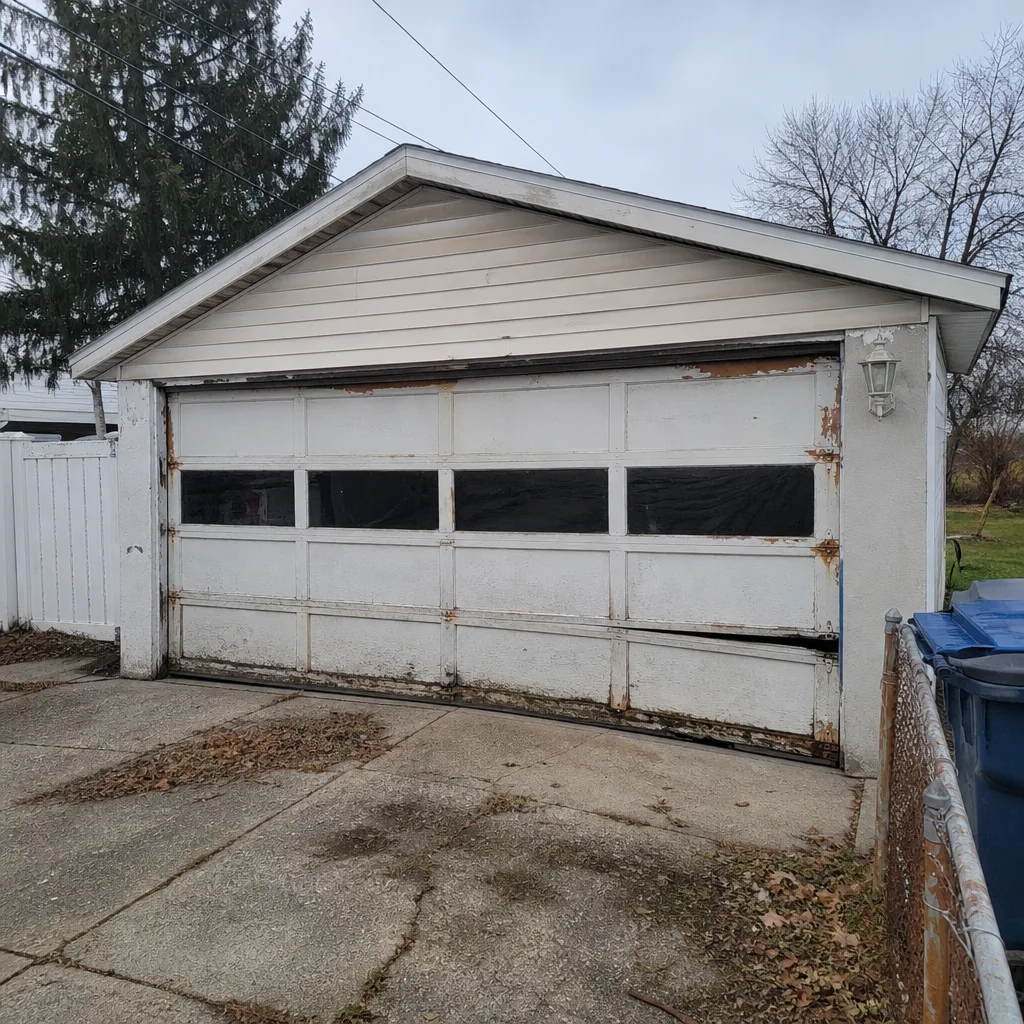
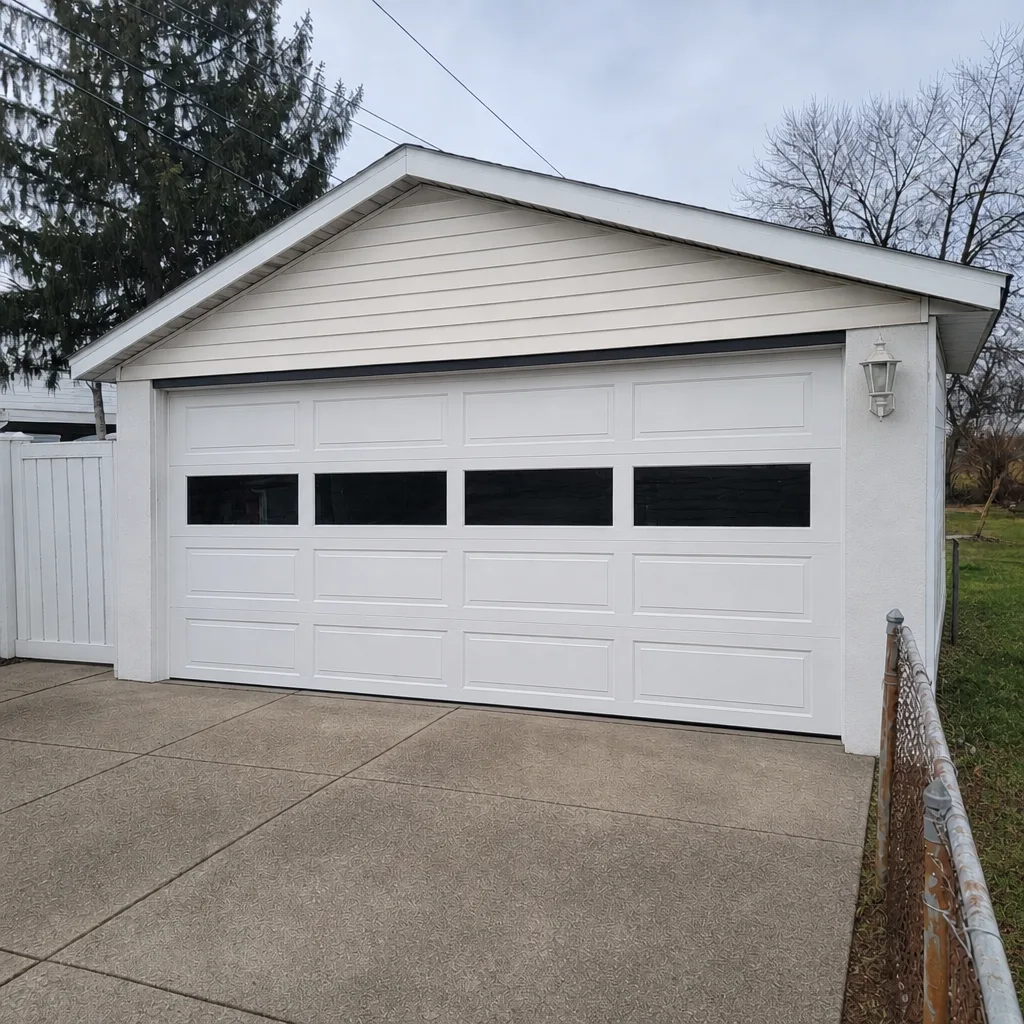
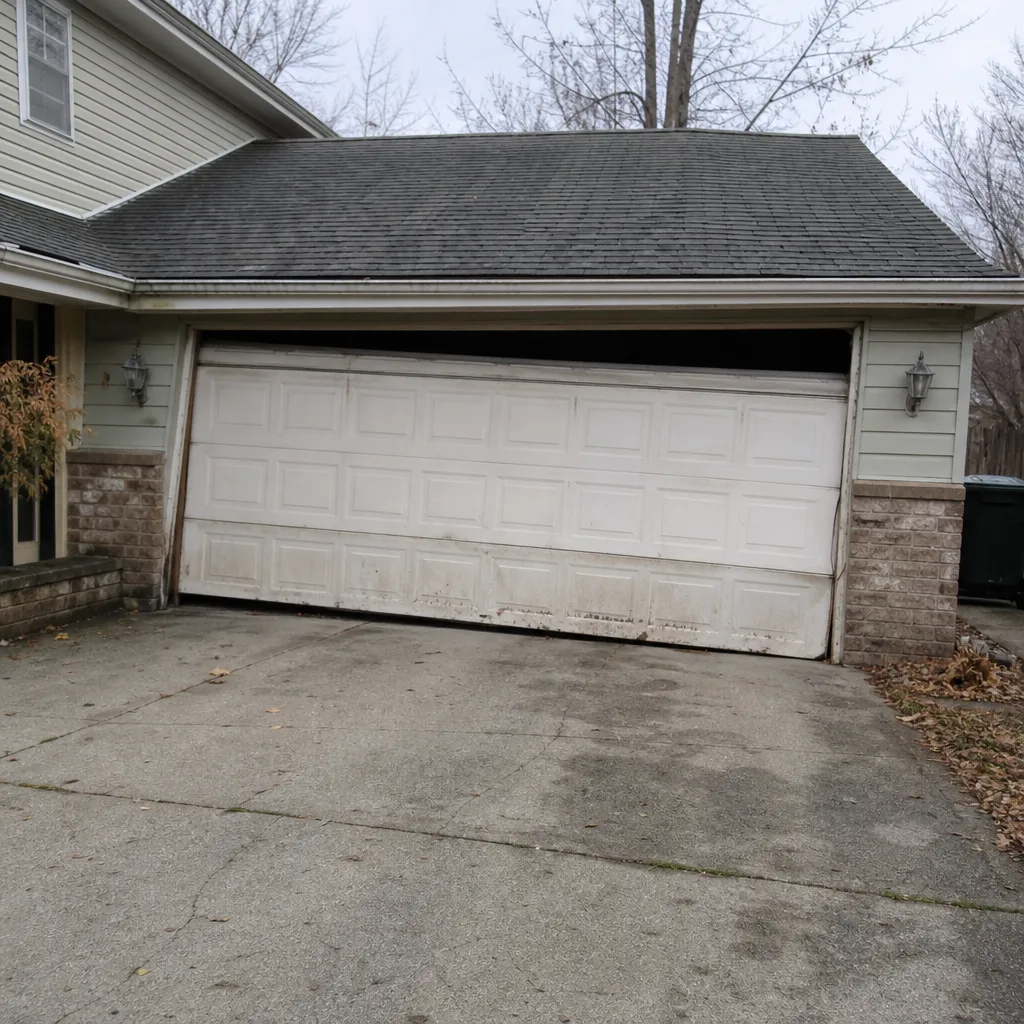
See the difference
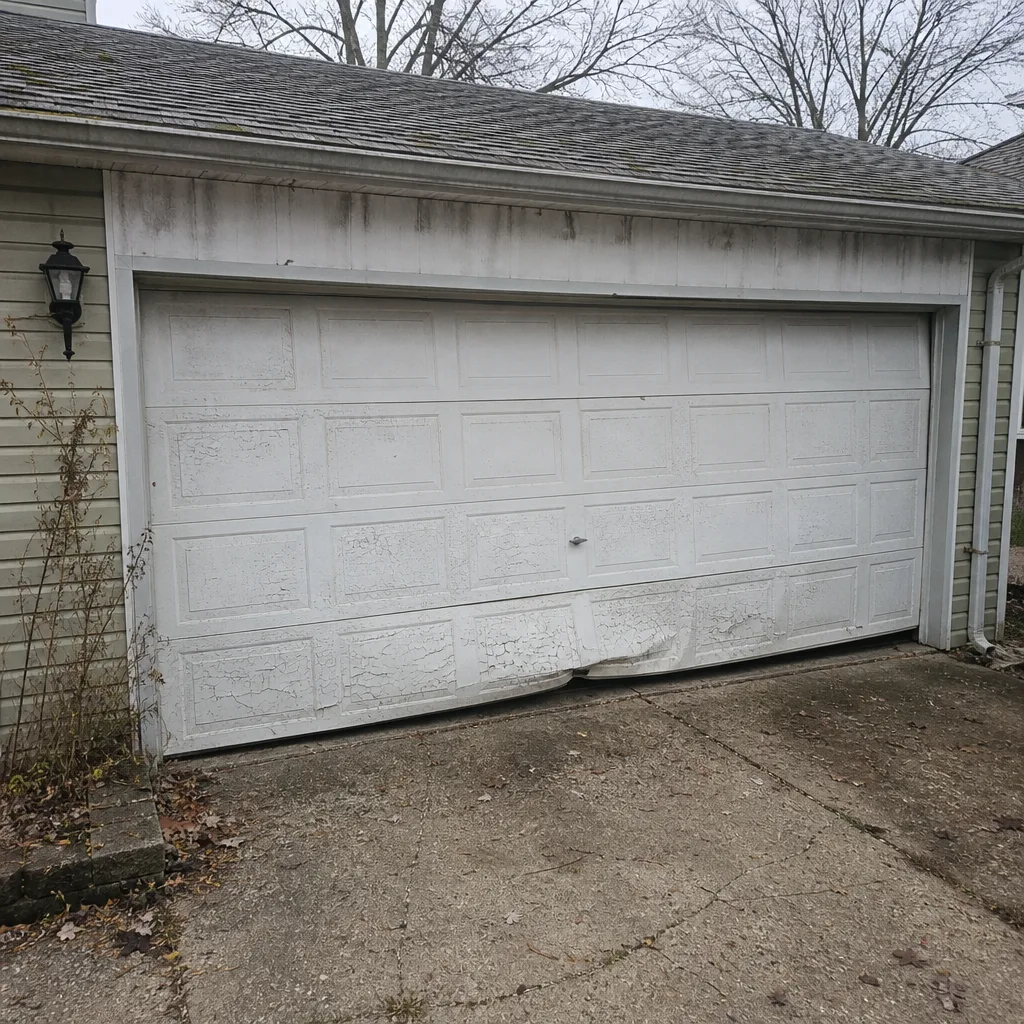 Before
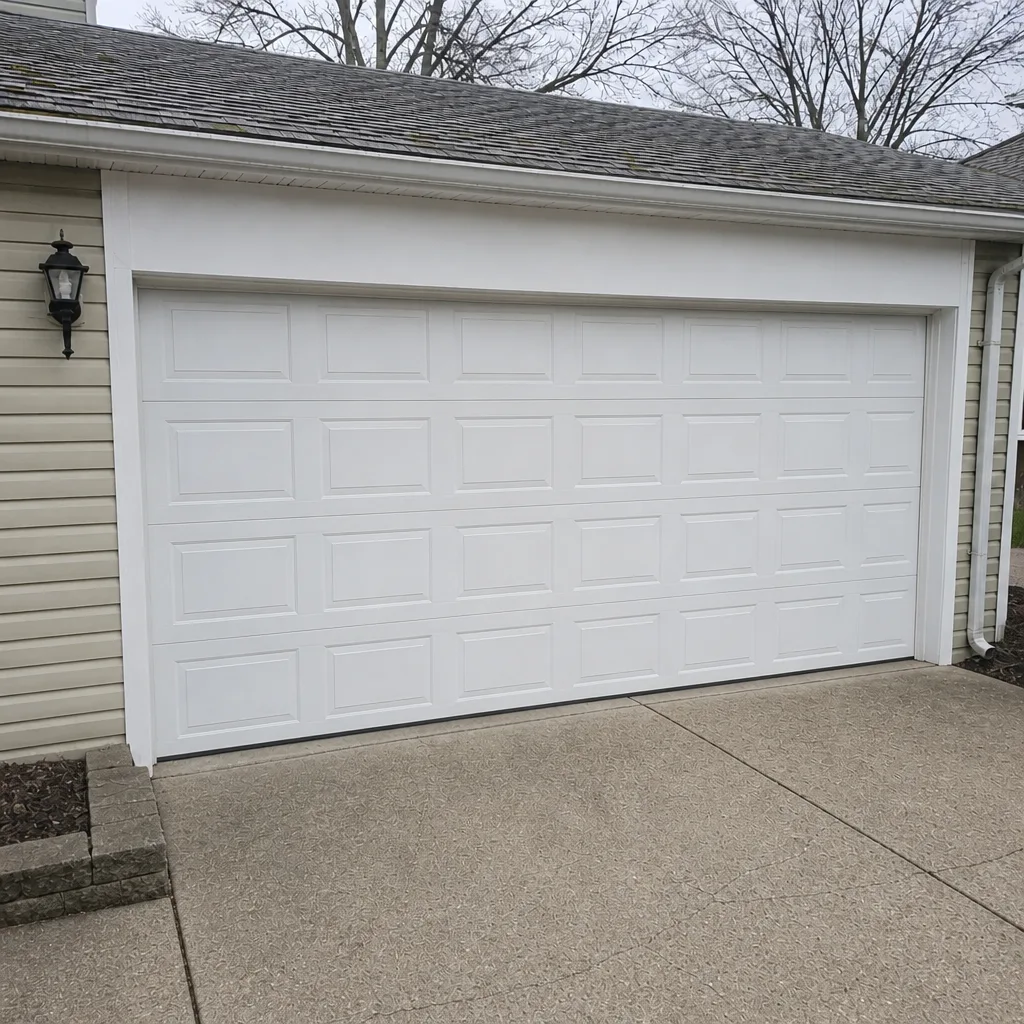 After
 Before
 After
 Before
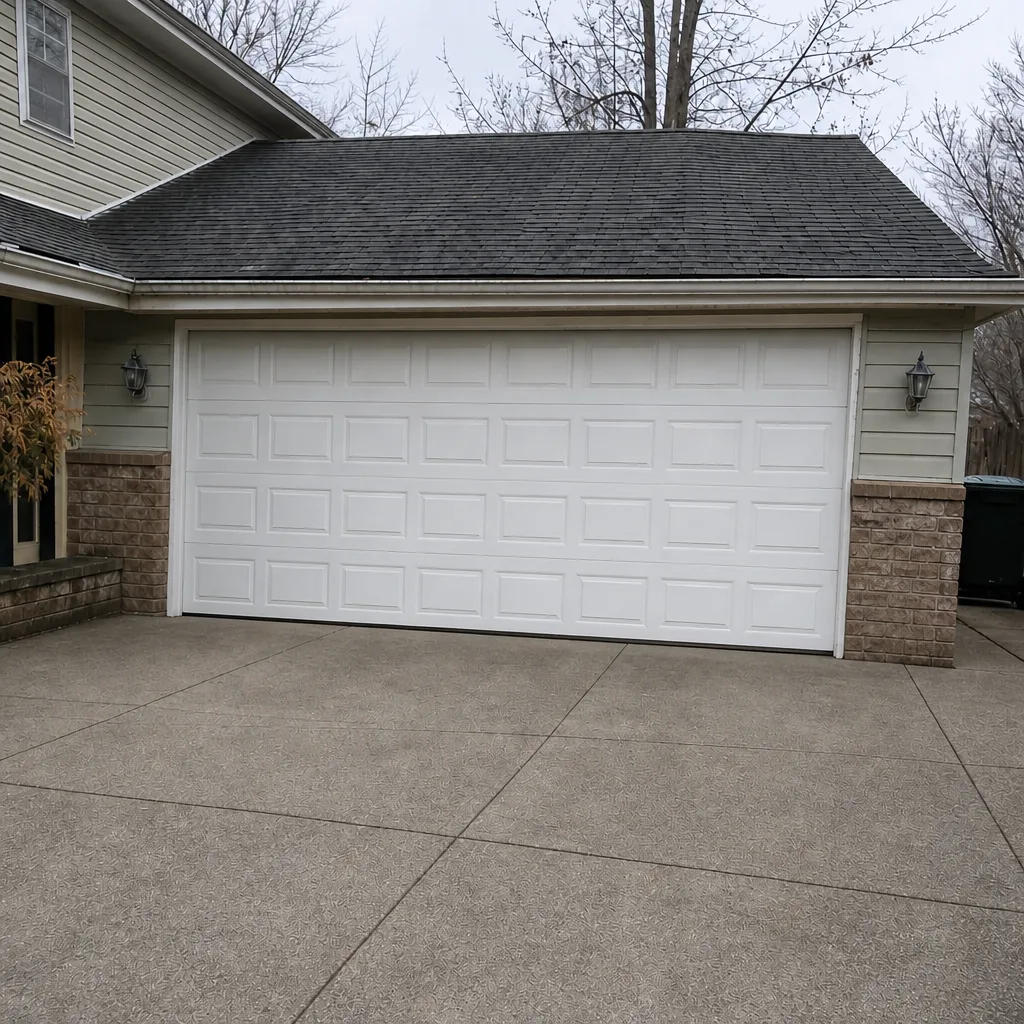 After
Common Mistakes to Avoid
- Skipping spring inspection because the door still works. A torsion spring can be near failure and still lift the door. The inspection isn’t about whether it works today; it’s about whether it will work through the March freeze-thaw window.
- Using WD-40 or household oil on the tracks and rollers. These attract dust and grit, which is the opposite of what you want in a track channel. Use a garage-door-rated lubricant, and keep grease out of the tracks entirely.
- Adjusting torsion springs yourself. This is the single most dangerous DIY mistake in garage door maintenance. The springs are under extreme tension, and a slip can cause serious injury. Leave spring work to a trained technician.
- Ignoring fall debris until winter. Leaf litter and grit work into rollers and cable paths and accelerate wear. Clearing tracks in October is far easier than replacing worn parts in January.
- Replacing a bottom seal with the cheapest vinyl option. Standard vinyl hardens below 20°F and fails within a season or two in Clark County. An EPDM or T-style seal costs a little more and lasts much longer.
- Assuming a warped panel is purely cosmetic. Swollen wood or composite panels throw the door out of alignment and load the opener and springs. Catch the swelling early in summer and you may avoid a bigger repair.
- Calling a general handyman for spring or cable work. These are high-tension, safety-critical components, and many handymen decline the work for good reason. Use a garage door specialist who does it routinely.
When to Call a Professional
Some seasonal tasks are yours to handle: clearing tracks, lubricating rollers, checking seals, testing the safety reverse. Others should go straight to a professional. Call us if you see a gap or separation in a spring, hear a bang or snap when the door moves, notice fraying or kinks in a cable, find the door won’t balance or drifts when lifted halfway, or the opener strains or stops partway. Also call if the door won’t move at all – a door stuck open is a security concern, and a door stuck closed means your car isn’t going anywhere. Spring repair is a core specialty for us, and we handle the full system: the door, the springs, and the opener, one call. Repair first, replace only when it makes sense.
Springfield Garage Door Repair Experts offers free estimates in Springfield – call (855) 684-9798. We’ll tell you what the job involves and what it costs before any work starts.
Frequently Asked Questions
Once a year is the baseline, but in Springfield the timing matters more than the frequency. Schedule the service for late winter or early spring, before the March freeze-thaw window, so a technician can catch spring wear before the temperature swings finish the job. If your door is older or you’ve noticed new noises, a second inspection in fall before winter is worth it. Call (855) 684-9798 to book a free estimate.
Because March is when Ohio’s freeze-thaw cycles are most frequent. A torsion spring is under constant tension, and repeated swings between freezing nights and mild days work the metal. A spring that was already near the end of its life doesn’t need much to fail. Pre-spring inspection is the way to catch wear before the thaw does. If your spring has already snapped, call us for spring repair.
An EPDM rubber seal or a T-style seal. Standard vinyl hardens below about 20°F and stops sealing, which lets cold air and snow in and causes the seal to crack. EPDM stays flexible at much lower temperatures, and T-style seals form a tighter barrier that resists tearing on ice. Check the temperature rating on the product; you want one rated well below what Springfield winters reach.
You can and should handle routine lubrication yourself. Use a garage-door-rated lubricant on rollers, hinges, and the opener’s drive mechanism, and keep grease out of the tracks. The jobs to leave to a professional are anything involving torsion springs, cables, or the opener’s internal mechanisms, because those are under tension or carry an electrical risk. Call (855) 684-9798 if you’re not sure.
Humidity can swell wood or composite panels just enough to bind in the tracks, and it can thin out old lubricant so rollers run dry. Start by re-lubricating the moving parts and checking whether the panels sit flush. If the door is still binding, a panel may have warped and thrown the door out of alignment. That’s worth a professional look before it strains the opener and springs. Estimates are free.
Yes. Steel doors need rust prevention, especially at the bottom edge and hinge points, and you should watch for moisture getting behind the panel skin in summer. Wood and composite doors need moisture control, because humidity swells the panels and can cause warping. Both benefit from the same spring and fall checkpoints on springs, cables, and rollers. We work on Clopay and Amarr steel doors as well as wood and composite lines, so we can tell you what your specific door needs.
The Bottom Line
Seasonal garage door care in Springfield isn’t about following a generic annual checklist. It’s about timing your maintenance to the failure modes each season creates. Inspect springs before the March freeze-thaw window. Watch for humidity-driven warping and swelling in summer. Clear tracks and inspect cables after leaf-fall. Swap to an EPDM or T-style seal before winter. Handle the light work yourself, and call a specialist for springs, cables, and anything under tension. That calendar will get you years of reliable service from the door already on your house. And when something does need repair, one call covers the door, the springs, and the opener.
Springfield Garage Door Repair Experts provides garage door repair across Springfield, from a single broken spring to a full new door installation. If you’re not sure whether your door needs service, call (855) 684-9798 for a free estimate. We’ll tell you what the job involves and what it costs before we start.
For the full picture of what we handle, visit Springfield Garage Door Repair Experts.
Written by the team at Springfield Garage Door Repair Experts.