Last updated November 22, 2026
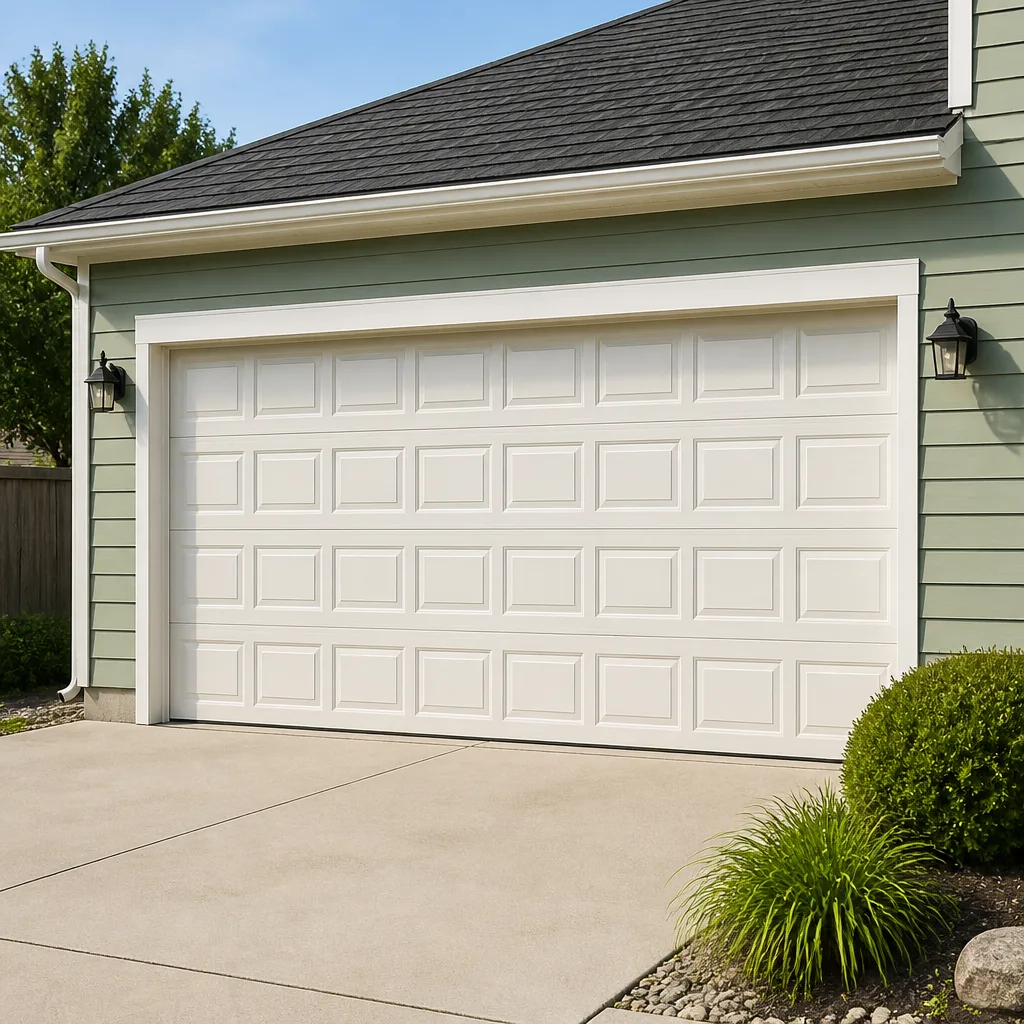 Raised-panel steel
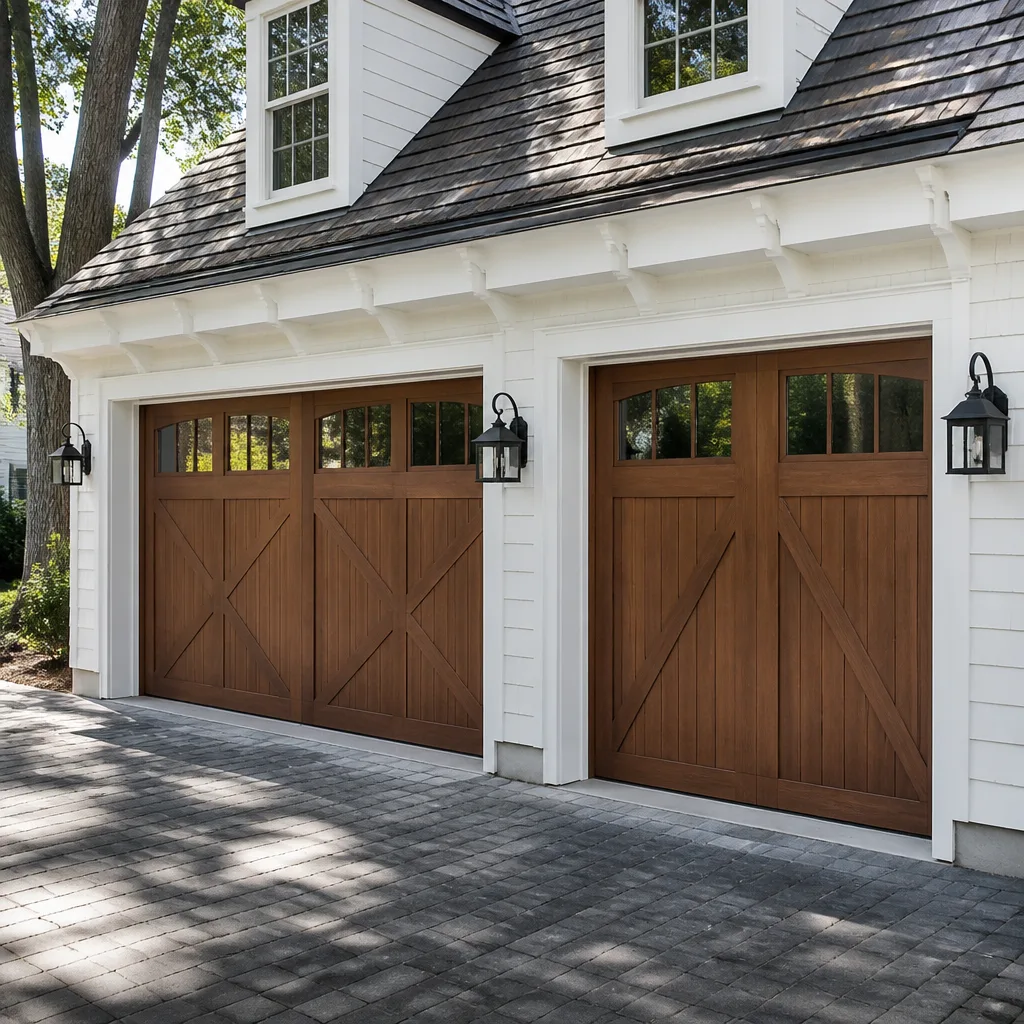 Carriage house
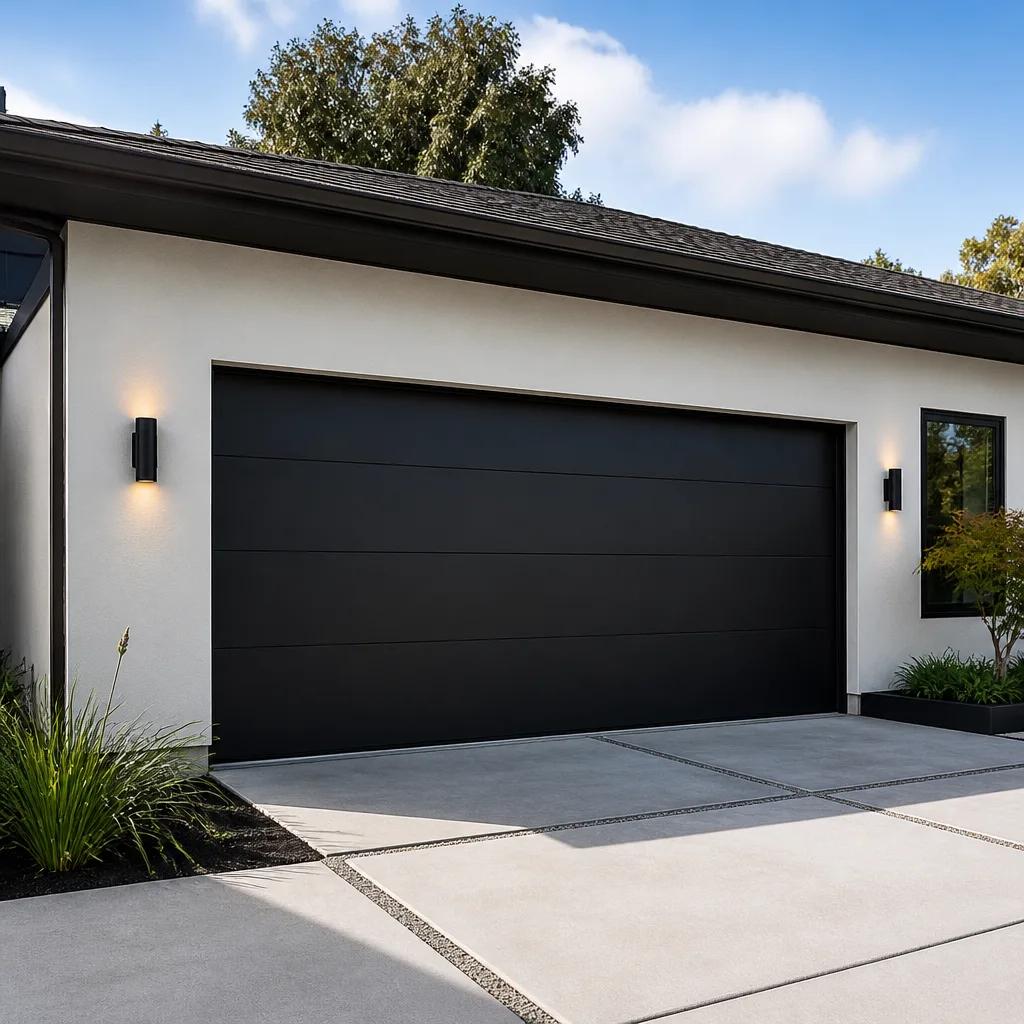 Modern flush
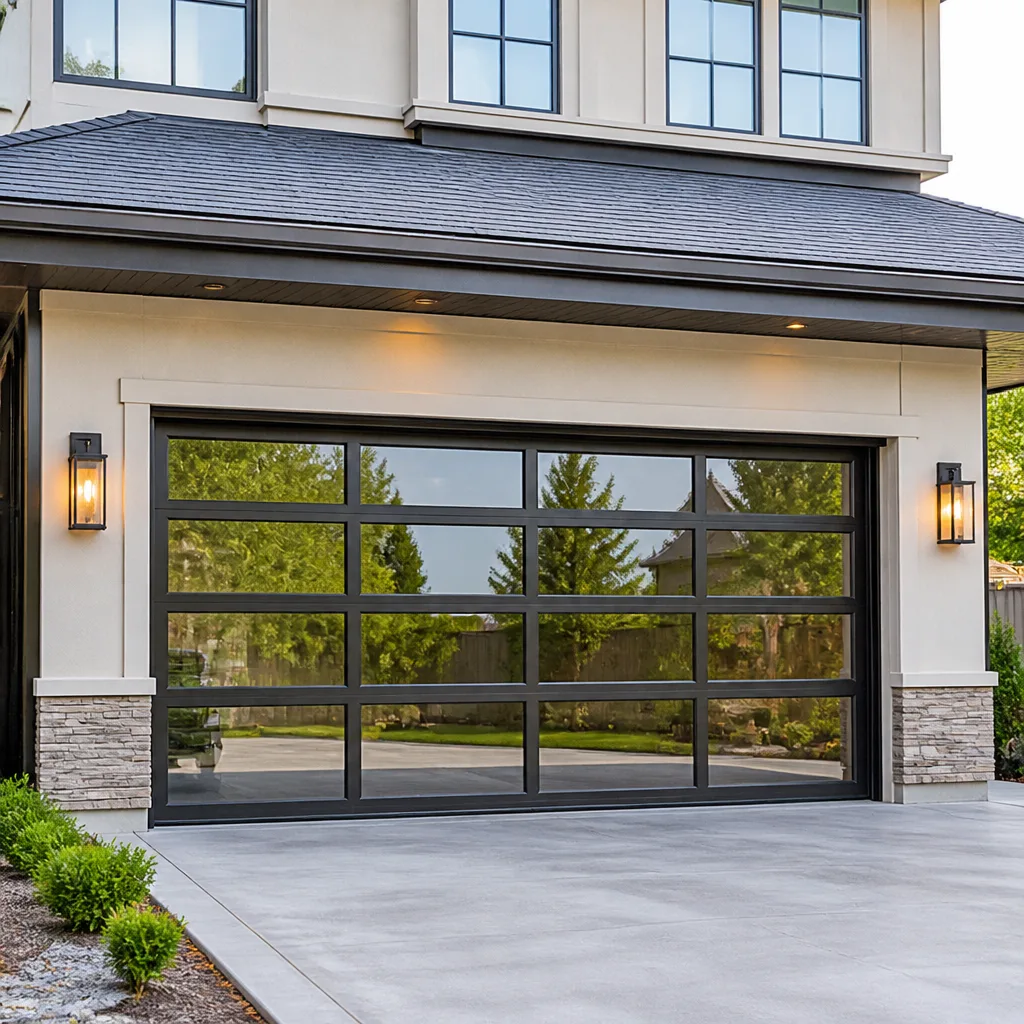 Full-view glass
 LiftMaster openers
 Chamberlain openers
Full 25-point door and opener safety check with every visit - springs, cables, rollers, tracks, and your LiftMaster or Chamberlain opener included
You get a price before we start. It does not change when the pro arrives.
Get your free estimateGarage Door Warning Signs: A Springfield Homeowner’s Reference Guide
Most garage doors don’t fail without warning. They fail after months of warning nobody noticed. A door that takes 1.3 seconds longer to open than it did six months ago isn’t “getting old.” It’s telling you one of several specific things is wrong, and most of those things are cheap to fix right now and expensive to fix after they cascade into a snapped spring, a burned-out opener motor, or a door that comes off its track. The problem isn’t that the signals are subtle. The problem is that most Springfield homeowners have never been told what normal looks, sounds, and feels like, so there’s no baseline to compare against. This guide builds that baseline.
Quick Answer
The most common garage door warning signs are unusual noises (grinding, popping, clicking, scraping), a door that opens or closes slower than it used to, visible cable fraying or spring rust, rollers with flat spots, and a door that won’t stay balanced at the halfway point. Any of these means something in the system is wearing. Grinding and popping usually point to springs or bearings and warrant a call today; a slightly slower cycle or light cosmetic rust is worth monitoring and scheduling an inspection before it gets worse.
Styles & brands we work with
- Raised-panel steel
- Carriage house
- Modern flush
- Full-view glass
- LiftMaster openers
- Chamberlain openers
Table of Contents
- What Your Door’s Noises Are Telling You: The Audio Diagnostic
- The Visual Signs Most Homeowners Walk Right Past
- The 60-Second Door Balance Test
- Response-Time Drift: Benchmarking Your Door’s Cycle Speed
- Watch-and-Monitor vs. Call-Today: Sorting the Signals
- How Springfield Weather Accelerates Wear
- Brand-Specific Warning Signs: What to Watch on Common Systems
- Common Mistakes to Avoid
What Your Door’s Noises Are Telling You: The Audio Diagnostic
Sound is the fastest diagnostic tool a homeowner has. A healthy garage door makes a low, steady hum from the opener and a soft roll from the tracks. Anything else is information. When we walk into a Springfield garage, the first thing we do is listen while the door runs one full cycle, because the type of noise points to a specific component almost every time.
Here’s what each sound usually means:
- Grinding: Metal-on-metal friction, almost always from worn torsion springs, dry bearings, or a torsion tube that’s lost its lubrication. Grinding that gets louder as the door rises is a spring or bearing issue and should be looked at promptly.
- Popping or snapping: If it happens once at the start of the cycle, suspect a torsion spring that’s starting to fail or a cable that’s jumped its drum. If it happens repeatedly, suspect a roller or hinge that’s seized. Popping from the spring area is a call-today sound.
- Clicking: Usually the opener’s drive gear or a limit switch that’s out of adjustment. Clicking that repeats at the same point in every cycle is nearly always opener-related.
- Scraping: Something is rubbing that shouldn’t be. Often a bent track, a roller that’s popped out of its channel, or a door that’s out of alignment against the frame.
- Rattling or banging: Loose hinges, worn rollers, or a door that’s vibrating on its tracks. Usually minor, but worth tightening before it turns into a track problem.
A door that’s silent at the opener but noisy at the tracks is a different repair than one that grinds at the spring. If the noise is coming from the opener itself, that’s an opener issue and best handled by someone who works on the specific unit. We handle garage door opener repair on the LiftMaster, Chamberlain, Genie, and Craftsman systems that fill most Springfield garages, and diagnosing by sound first saves a lot of guesswork.
The Visual Signs Most Homeowners Walk Right Past
You walk past your garage door every day, which is exactly why the visual signs go unnoticed. They develop slowly, and the eye adjusts. Three areas are worth a deliberate look every few months: cables, springs, and rollers.
Cable Fraying Patterns
The cables run down each side of the door and wrap around the drums at the top. A healthy cable is a continuous, uniform strand. Fraying shows up first as a fuzzy texture near the drum or at the bottom bracket. Bird-caging, where the strands separate and twist apart, means the cable is near failure. A fraying cable can snap without warning, and when it does, the door can drop or twist on its track. This is a stop-using-the-door signal.
Spring Rust Gradients
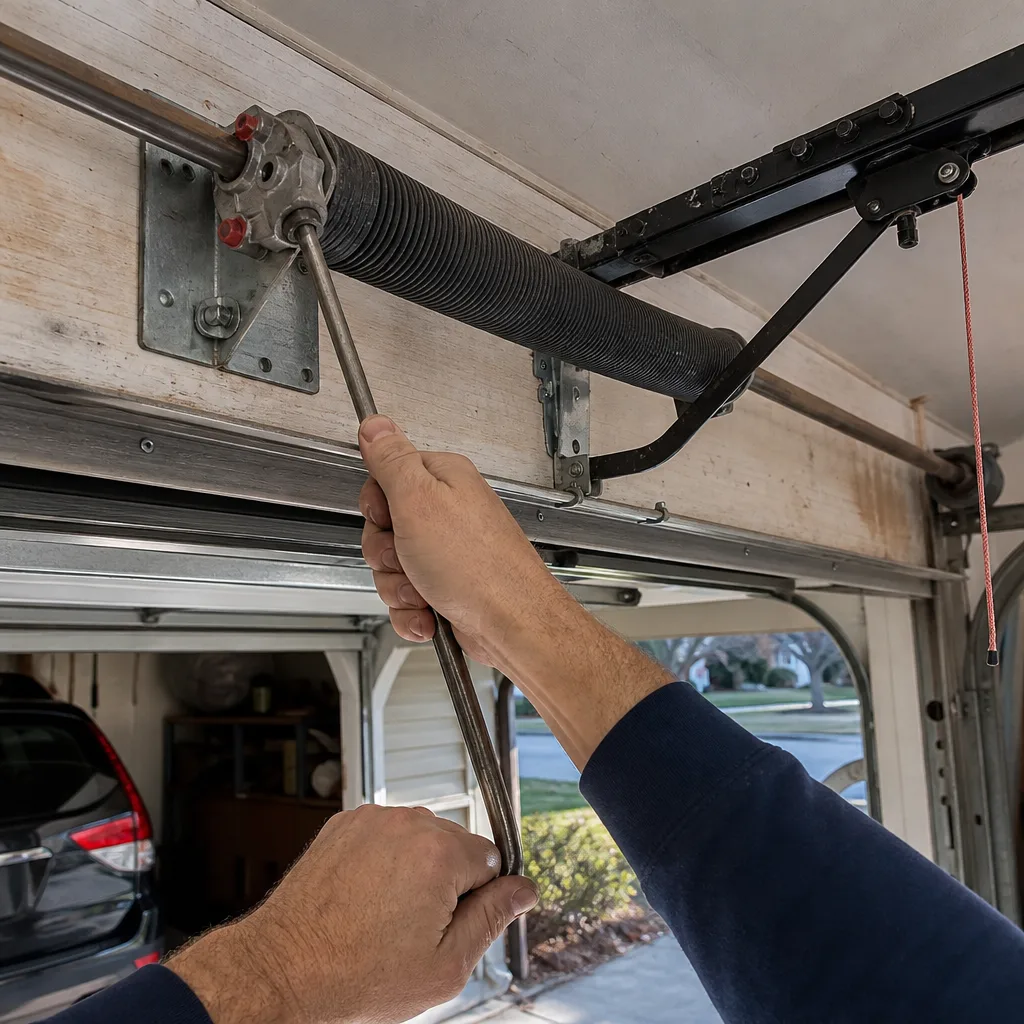
A torsion spring is a coil of steel under heavy tension. When it starts to fail, rust often appears unevenly along the coil, usually concentrated near one end where the metal is beginning to fatigue. A light, even dusting of surface rust is cosmetic. A dark, pitted patch that’s spreading is not. Springs also stretch over time, and a spring that’s visibly longer than its neighbor on a two-spring door is a sign of metal fatigue.
Roller Wear Flat Spots
Rollers are the small wheels that guide the door along the track. A healthy roller is round and turns smoothly. When one wears, it develops a flat spot, and the door will vibrate or rumble as that roller passes over the track joint. Look at each roller with the door closed. A flat spot, a cracked nylon wheel, or a roller that’s wobbling in its stem all point to replacement, which is inexpensive and prevents damage to the track.
These three checks take two minutes and catch the majority of failures before they happen. If anything looks wrong, an inspection is worth scheduling before the problem compounds.
The 60-Second Door Balance Test
This is the single most useful test a homeowner can do, and it takes under a minute. It tells you whether your springs are still doing their job or whether your opener is quietly carrying weight it wasn’t designed to carry.
Here’s how to run it safely:
- Close the door and disconnect the opener using the manual release cord. Pull straight down and let the trolley disengage.
- Lift the door by hand to about waist height, then let go.
- Watch what it does.
Now the results, in concrete terms:
- The door stays where you left it. Springs are balanced. Good.
- The door drifts slowly down. Springs are slightly weak. The opener is compensating. Worth an inspection, not urgent.
- The door drops fast. Springs have lost significant tension. The opener is doing the lifting, which wears it out and can burn out the motor. Call for service.
- The door rises on its own. Springs are over-tensioned, which is a real hazard. Stop using the door and call.
Never attempt to adjust or replace a torsion spring yourself. These parts are under extreme tension and can cause serious injury. The balance test tells you the spring’s condition, not how to fix it. For the repair itself, garage door spring repair is a job for someone with the right winding bars and the training to use them.
Response-Time Drift: Benchmarking Your Door’s Cycle Speed
Here’s a diagnostic nobody talks about. Your door has a normal cycle time, the number of seconds it takes to go from fully closed to fully open. That number barely changes when everything is working. When it does change, it’s telling you something.
Time the cycle once. From the moment the door starts to move until it stops at the top, count the seconds. Write it down somewhere you’ll find it. Six months later, time it again. A door that has slowed by roughly 20% is not “getting old.” One of three things is happening:
- The motor is losing efficiency. Openers, especially chain-drive units, slow down as the gear assembly wears. A slow opener often hums louder than it used to and clicks at the end of the cycle.
- The springs are losing tension. Weak springs mean the opener has to do more of the lifting, so the door takes longer to rise. This is the most common cause of a slow cycle.
- The tracks are binding. A door that catches on the track moves slowly and unevenly. It may also sway or shudder, which is a track alignment issue.
Cycle times drift slowly, which is why keeping a baseline matters. Without one, “slow” is a feeling, not a measurement. With one, you have a number. If your door has slowed noticeably and it’s paired with any of the noises above, that’s your confirmation to get it inspected. The opener platform matters here too. Belt-drive LiftMaster and Chamberlain systems tend to stay quiet even when they’re struggling, while Genie chain-drive units are noisier by nature, so the cycle-time benchmark is more useful than the sound on those.
Watch-and-Monitor vs. Call-Today: Sorting the Signals
Not every warning sign is an emergency. Knowing which category a symptom falls into keeps you from panicking over cosmetic wear and, more importantly, keeps you from ignoring something that’s about to fail. Here’s the split.
Watch-and-Monitor (Schedule an Inspection Soon)
- Light, even surface rust on springs or tracks.
- Slight cycle-time drift (well under 20%).
- Occasional rattle or vibration from loose hinges.
- A single roller that’s wobbling but still turning.
- The door drifts down slowly on the balance test.
These are early signs. None of them will strand you tomorrow, but each one gets worse with use. Scheduling an inspection within a few weeks catches them while the repair is small.
Call-Today (Stop Using the Door)
- Any visible cable fraying or bird-caging.
- Popping or snapping from the spring area.
- A door that drops fast on the balance test, or one that rises on its own.
- A door that’s visibly crooked, off its track, or hanging on one side.
- The opener runs but the door doesn’t move, or the door reverses without reason.
- Grinding that grows louder as the door rises.
These are the scenarios where a door can come down hard, a spring can snap, or a car can be trapped. Emergency garage door service exists for exactly these situations. If your door is stuck open or won’t move at all, a stuck door on a Springfield evening is a security gap, and it’s worth a call rather than a wait until morning. We treat emergency service as part of what we do, not an upsell. You can reach us at (855) 684-9798.
How Springfield Weather Accelerates Wear
Garage doors in Springfield live through a real four-season cycle, and that cycle quietly wears down specific components faster than in mild climates. Freezing winters and humid summers are the two main factors. Each one attacks something different.
Winter cold does two things. Metal contracts, which tightens tolerances on tracks and rollers and increases the friction that produces grinding. Spring steel becomes more brittle in the cold, so a spring that’s already fatigued is more likely to snap during a cold snap than on a warm day. Lubricant also thickens in low temperatures, which is one reason a door that ran fine in October suddenly sounds rough in January.
Summer humidity is the second factor. It accelerates rust on springs, cables, and hinges. That’s why the spring rust gradient we mentioned earlier is worth watching here. A spring that’s fine in spring may show pitting by late summer. The humidity also causes wooden door sections to swell and jam against the frame, which shows up as a scraping sound or a door that hangs up partway down.
If your garage is unheated, which most Springfield garages are, your door sees the full swing of local temperatures every year. That’s a reason to run the balance test and the visual check at the start of each season, not just once. A door that passes in June may not pass in December.
Brand-Specific Warning Signs: What to Watch on Common Systems
Garage doors and openers are not interchangeable, and neither are their warning signs. Knowing what model you have helps you interpret what you’re seeing. We work on the brands already in Springfield garages, so the diagnosis usually starts with recognizing the platform.
- Clopay and Wayne Dalton doors: These often use extension springs rather than torsion springs, and extension springs have a specific failure mode, a stretch that eventually snaps. On these doors, look for a spring that’s visibly longer than it was, or one that’s lost its safety cable. Extension springs should always have a containment cable running through the middle.
- Amarr doors: Amarr steel doors often show panel stress at the hinges before anything else. A rust streak starting at a hinge is a sign of water getting behind the panel, which is worth catching early.
- Genie openers: Genie chain-drive units tend to make more noise as the gear assembly wears, and the tell is a clicking that repeats at a specific point in the cycle. Belt-drive LiftMaster and Chamberlain openers stay quiet longer, so a slow cycle on those is the better early indicator.
- Raynor and Craftsman systems: These are common on older doors, and the most frequent warning sign is a limit switch that’s drifted out of adjustment. The door may stop a few inches short of the floor or reverse before fully closing.
If you’re not sure which brand you have, the opener’s housing almost always has a label, and the door manufacturer usually has a sticker on the inside of a panel. We keep system knowledge across LiftMaster, Chamberlain, Genie, Clopay, Amarr, Wayne Dalton, Craftsman, and Raynor, so we diagnose by platform rather than guessing. If your door needs more than a fix, our garage door repair service covers everything from a single spring to a full track realignment.
Common Mistakes to Avoid
- Ignoring a noise because the door still opens. A door can run with a failing spring for weeks before it snaps. The fact that it still works tells you nothing about how close it is to failing.
- Lubricating the springs to stop a grinding sound. Lubricant belongs on hinges, rollers, and the torsion tube bearings, not on the spring coil itself. Greasing a spring that’s fatigued hides the sound without fixing the cause, and greasing the wrong part can collect dust and make things worse.
- Disconnecting the opener and calling it fixed. Running the door by hand because the opener failed is a temporary workaround, not a repair. The opener also provides the safety reverse, which you lose the moment you leave it disconnected.
- Adjusting the opener’s force setting to compensate for a heavy door. Turning up the force on a LiftMaster or Chamberlain opener to lift a door with weak springs is one of the most common mistakes we see. It overloads the motor and can defeat the safety reverse that stops the door on contact.
- Assuming a slow door just needs a new opener. A slow cycle is more often a spring or track problem than an opener problem. Replacing the opener without fixing the cause means the new unit wears out the same way.
- Skipping the seasonal check because nothing feels wrong. Garage door failures announce themselves weeks in advance, but only if someone is looking and listening. A two-minute check at each season change is what catches them early.
- Trying to adjust a torsion spring without training. Torsion springs store enormous energy. This is the one part of the door where a do-it-yourself attempt can cause serious injury. It’s also the reason a broken spring is our most common call and why we treat it as a specialty.
See the difference
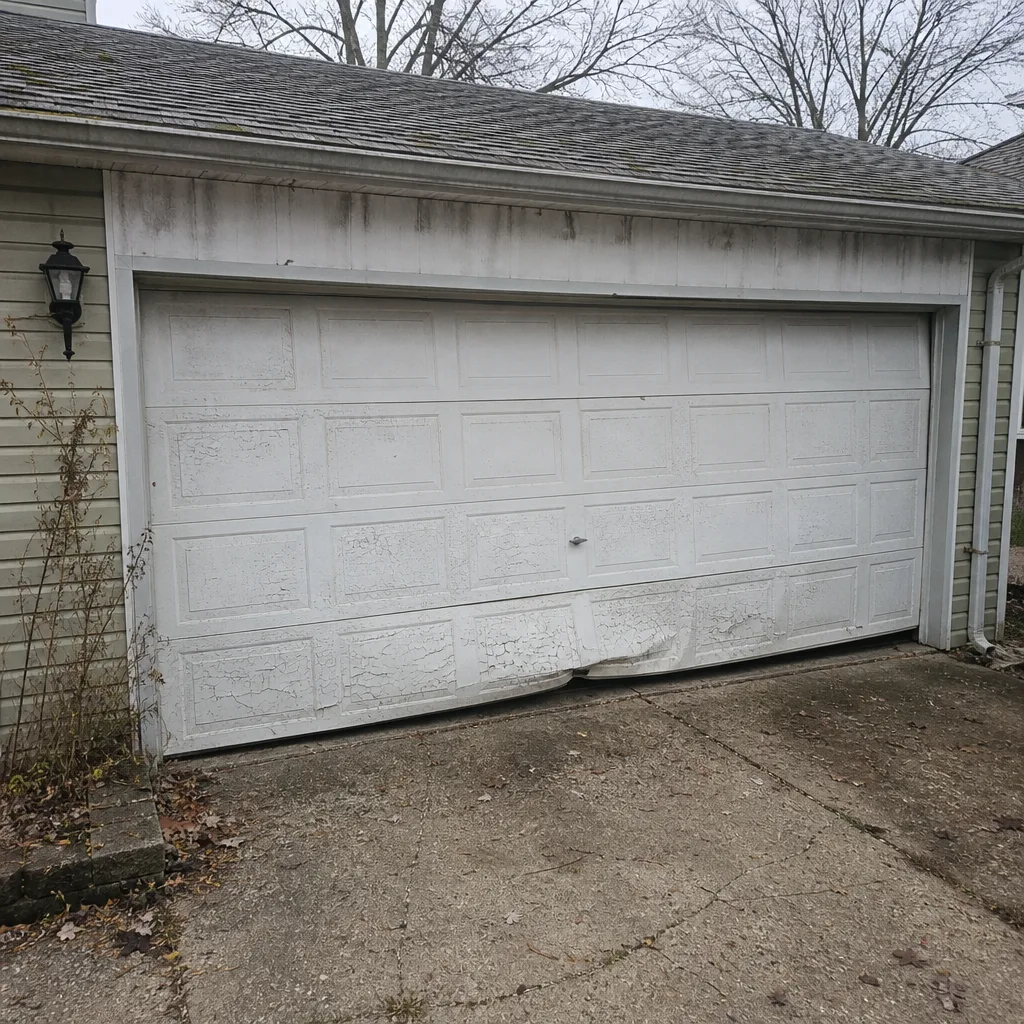 Before
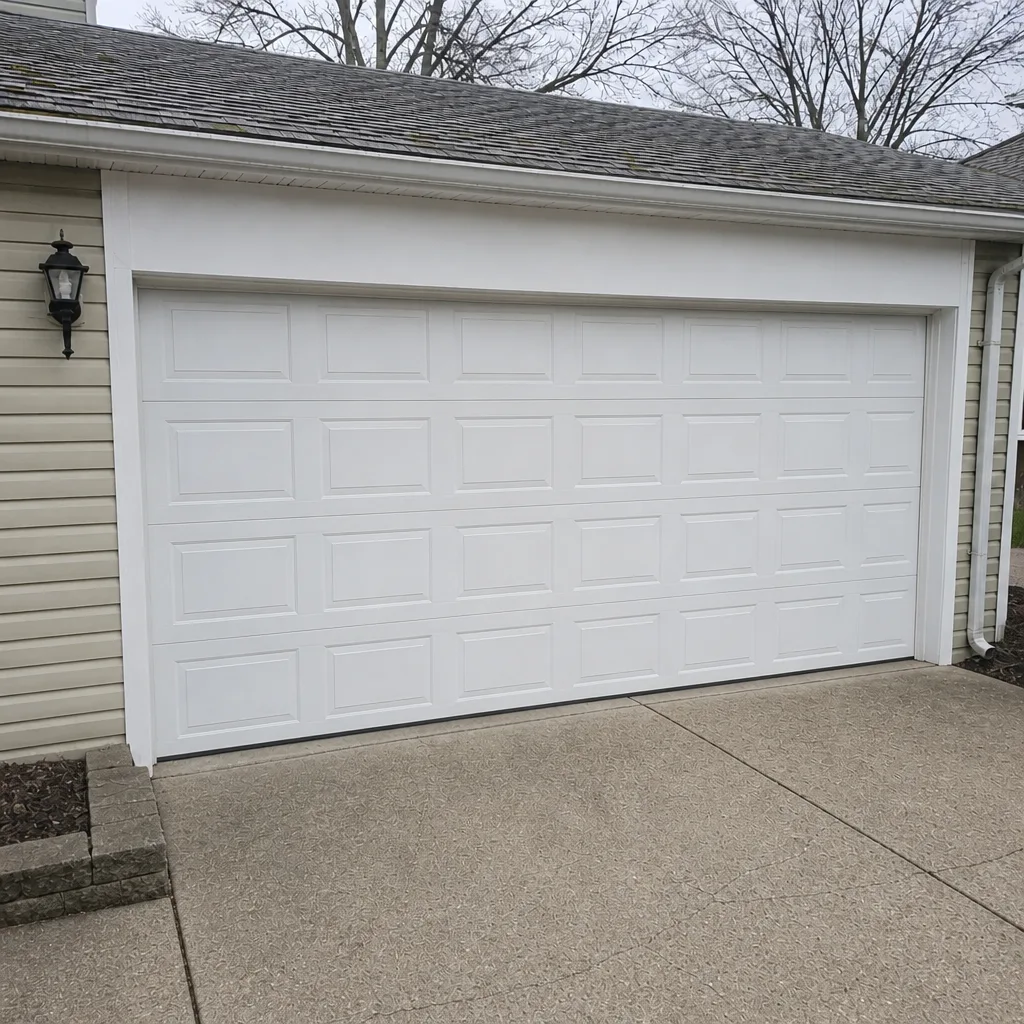 After
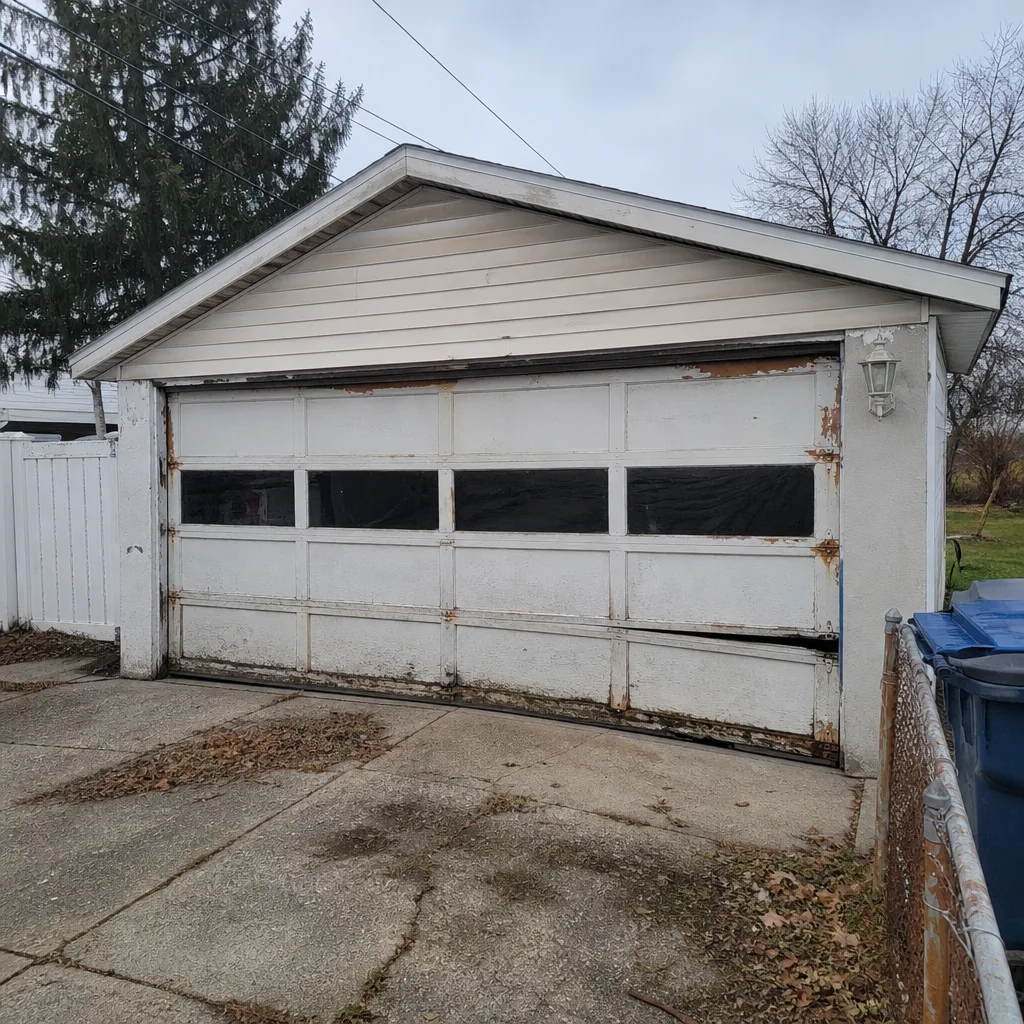 Before
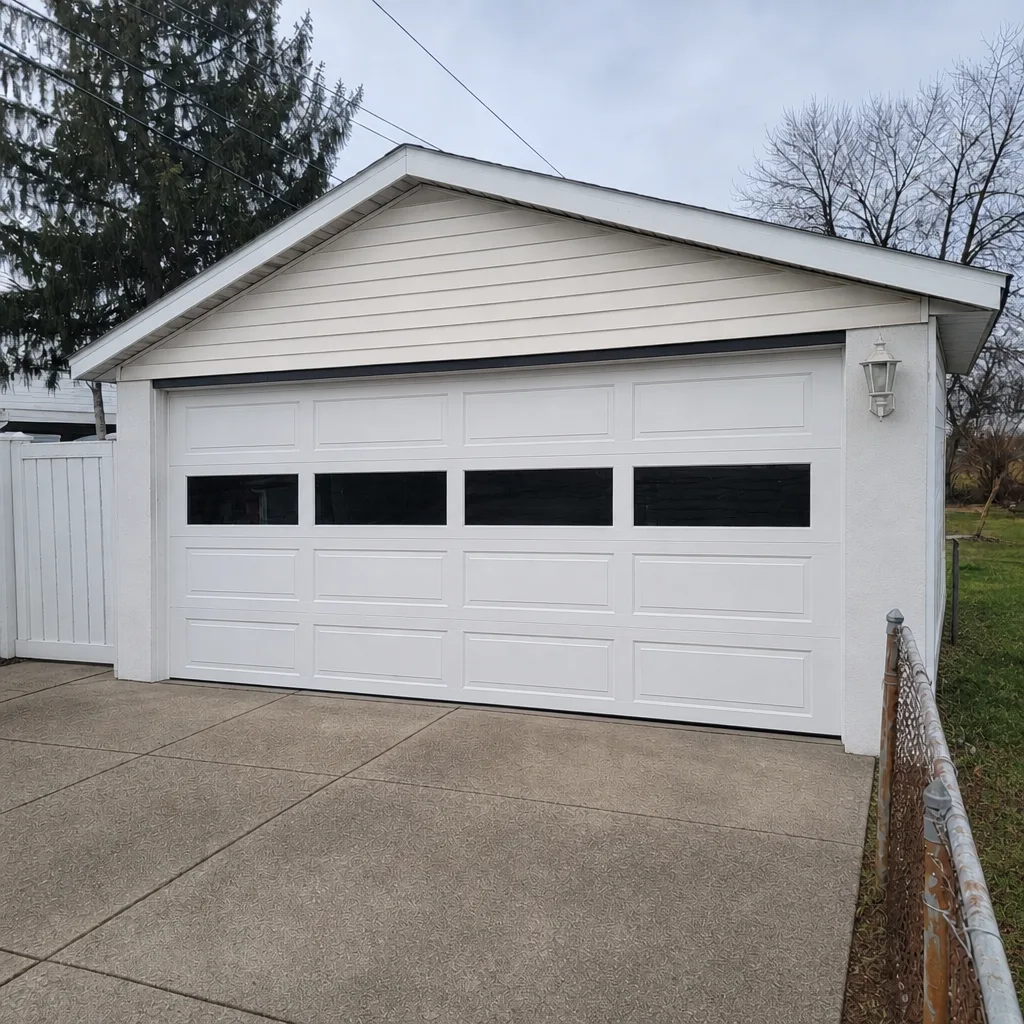 After
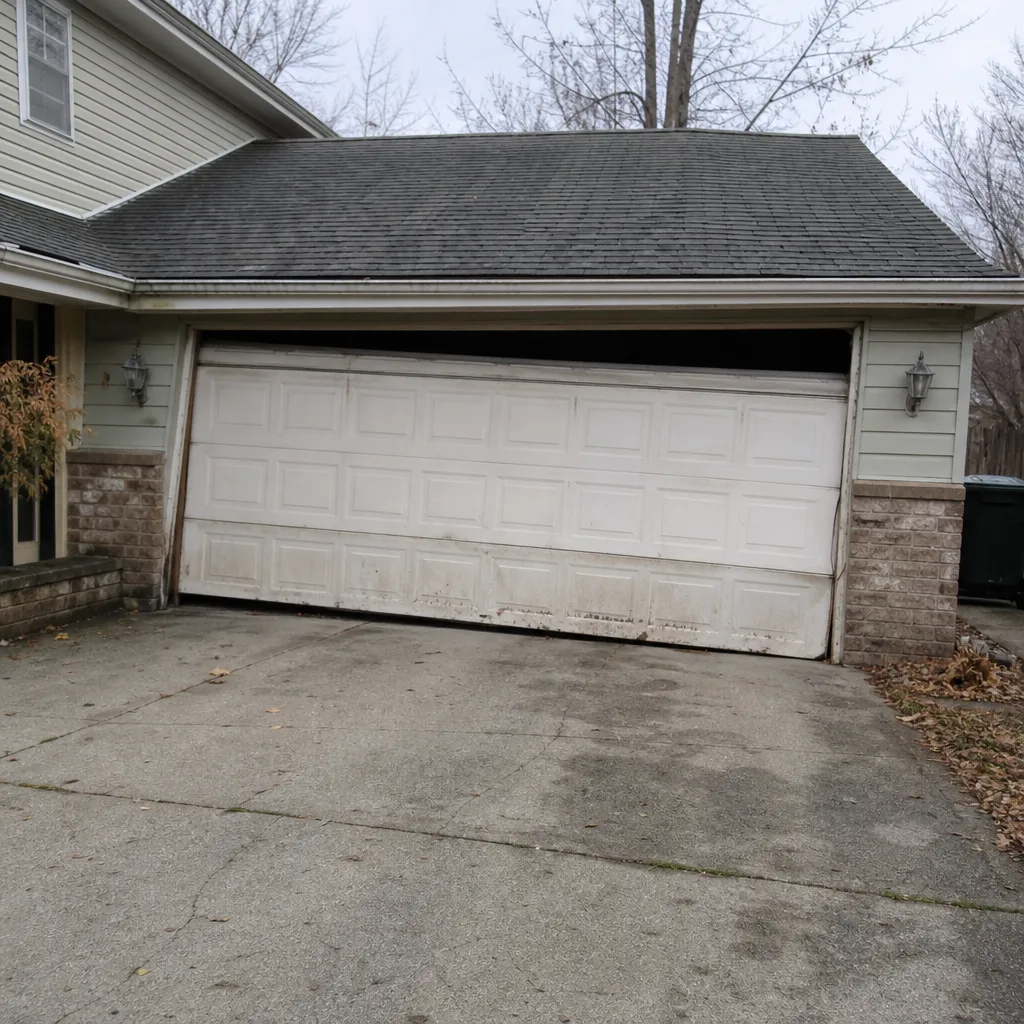 Before
 After
When to Call a Professional
Some issues are worth watching; some are not. Call us when a cable is fraying, a spring is popping or visibly rusting through, the door has dropped on the balance test, the door is crooked or off its track, the opener runs but the door doesn’t move, or the door reverses without a clear reason. Those are the situations where continued use risks a bigger repair or a safety problem. Spring repair is a specialty for a reason. A snapped torsion or extension spring should never be a homeowner’s project.
Springfield Garage Door Repair Experts offers free estimates in Springfield. Call (855) 684-9798 to describe what your door is doing and we’ll tell you whether it’s a monitor-and-schedule situation or a call-today one. One call covers the door, the springs, and the opener, so you won’t need a second contractor for the rest of the system.
Frequently Asked Questions
Grinding or popping from the spring area is the most common warning sign, and it’s usually the most urgent. If the noise comes from above the door, near the torsion tube, suspect the spring or its bearing. If it comes from the tracks, suspect rollers or alignment. For a stuck or noisy door in Springfield, call (855) 684-9798 for a free estimate.
Look for an uneven rust patch that’s spreading along the coil, a spring that’s visibly stretched compared to its neighbor, grinding as the door rises, or a door that drops fast on the balance test. Any of these means the spring is fatigued. Stop using the door and get it inspected. Call (855) 684-9798 for an exact quote.
No. A fraying cable can snap without warning, and when it does the door can drop or twist off its track. Stop using the door and call for service. A cable replacement is far less expensive than the damage a dropped door can cause. Call (855) 684-9798 to schedule.
Not always. A different sound that stays the same over several cycles and doesn’t involve the spring area is usually a monitor-and-schedule situation. A new sound from the spring area, or one that gets louder as the door rises, is a call-today situation. When in doubt, describe it to us at (855) 684-9798.
Run the balance test and visual check at each season change, so roughly four times a year. Springfield’s cold winters and humid summers mean the door sees a full swing of conditions every year, and seasonal checking catches wear before it compounds. Call (855) 684-9798 for a free estimate if anything looks off.
Our approach is repair first, replace only when it makes sense. A door with a worn roller or a tired spring is a straightforward repair. We only recommend replacement when the door’s structure, panels, or system condition genuinely call for it. Call (855) 684-9798 and we’ll give you an honest read.
The Bottom Line
Every garage door failure leaves evidence before it happens. That evidence shows up as sounds your door makes, the rust and fraying you walk past, the balance test you’ve never run, and the cycle time you’ve never measured. Set a baseline, check it each season, and you’ll catch the small repairs before they cascade into snapped springs and dead openers. The watch-and-monitor signs give you time to plan. The call-today signs give you a reason to stop using the door and pick up the phone. Our technicians have up to 15 years of experience across the brands already in Springfield garages, and we handle repair, opener service, spring work, and full installation with one call. For a free estimate in Springfield, reach Springfield Garage Door Repair Experts at (855) 684-9798.
Written by the team at Springfield Garage Door Repair Experts.