Last updated November 22, 2026
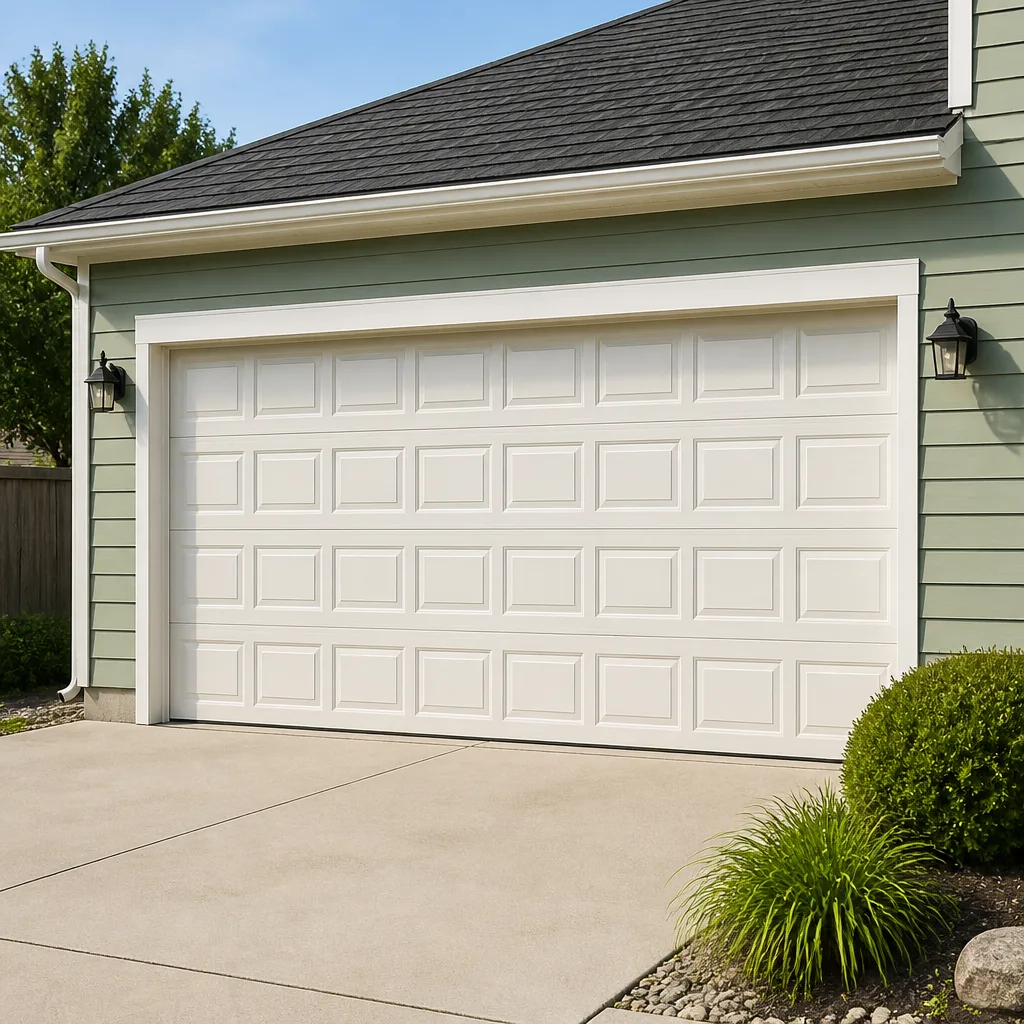 Raised-panel steel
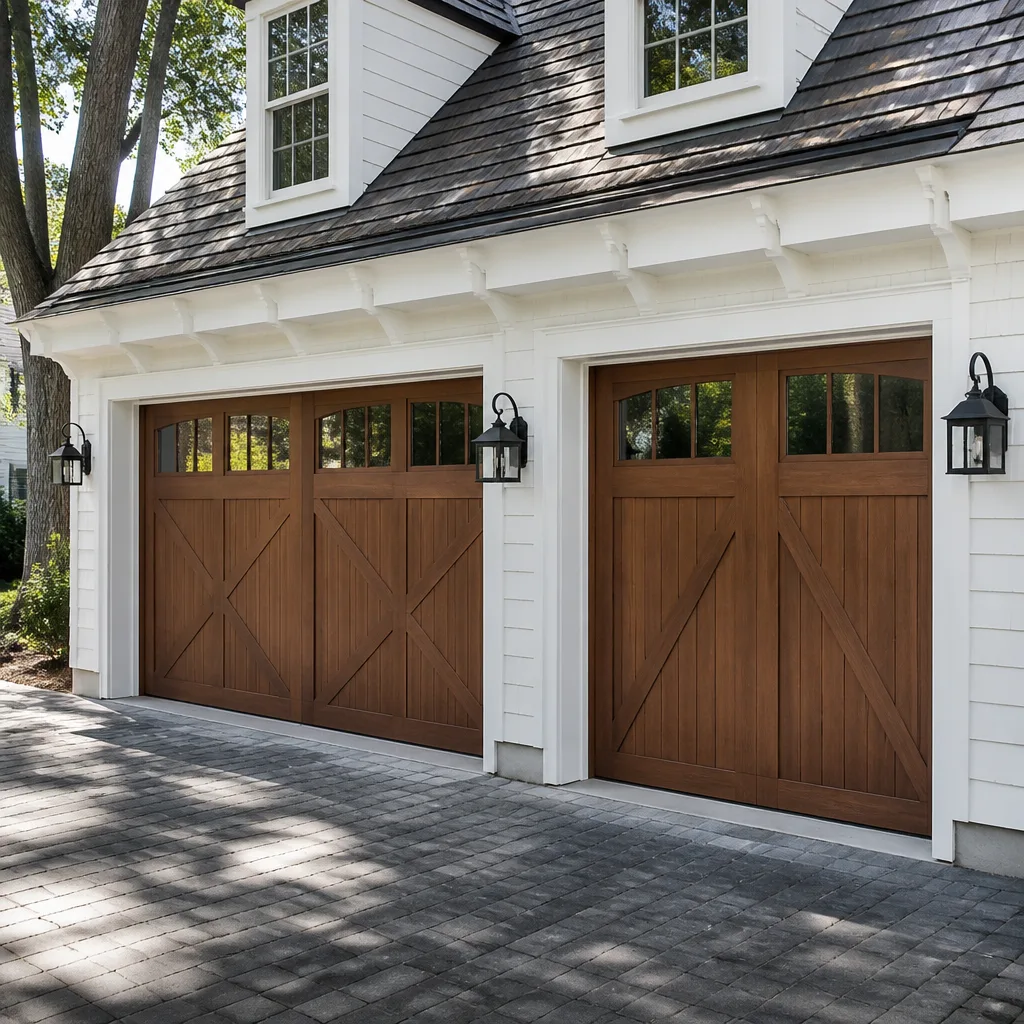 Carriage house
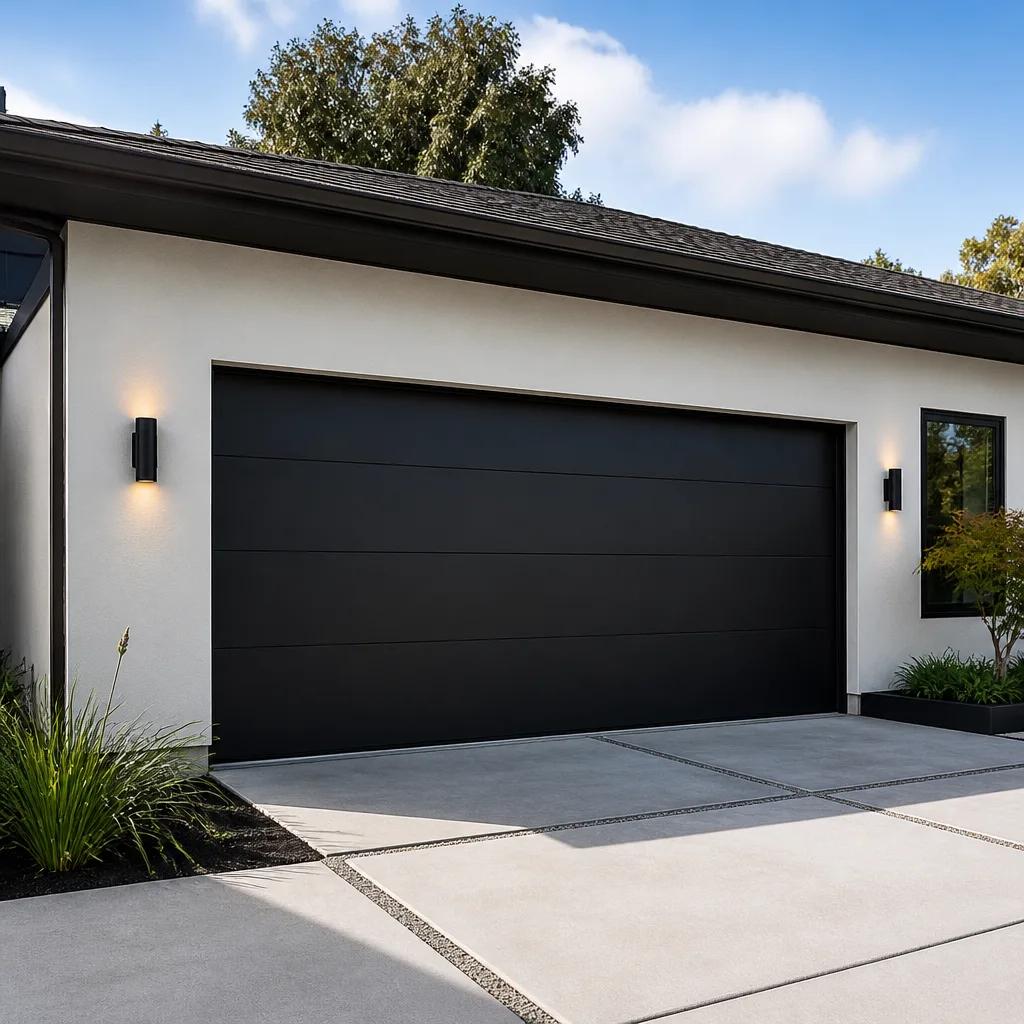 Modern flush
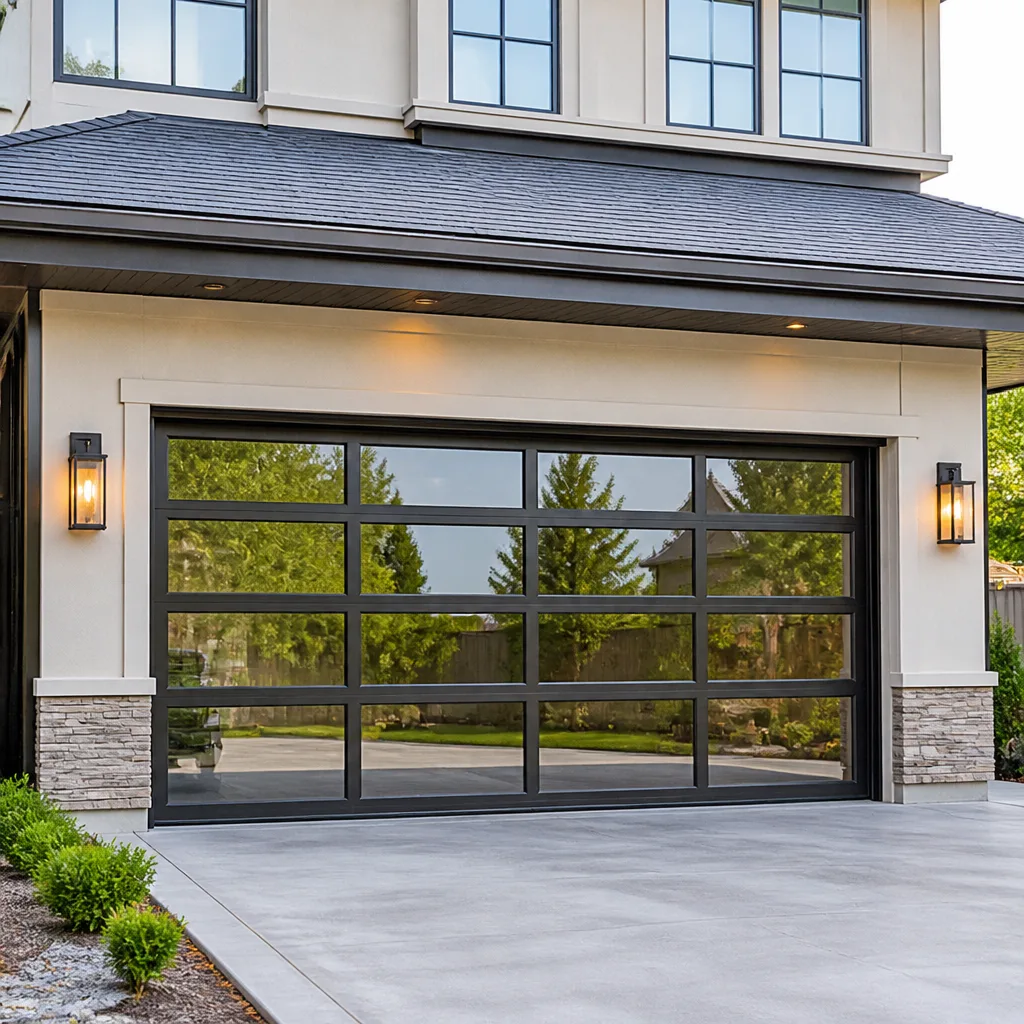 Full-view glass
 LiftMaster openers
 Chamberlain openers
Full 25-point door and opener safety check with every visit - springs, cables, rollers, tracks, and your LiftMaster or Chamberlain opener included
You get a price before we start. It does not change when the pro arrives.
Get your free estimateGarage Door Permits, Codes & Inspections in Springfield, OH: What You Need to Know
Most homeowners assume a garage door is a garage door, and that swapping one for another is about as regulated as repainting a fence. That assumption is where trouble starts in Springfield. Ohio’s residential code treats the door between an attached garage and a living space as a fire-rated assembly, not a cosmetic feature, and the permitting rules follow that distinction rather than the size of the job. A straight panel swap on a detached garage usually needs no permit at all. Change the motor, cut into a structural header, or replace a fire-rated door, and the paperwork starts. This guide walks through which projects trigger a permit under Ohio Residential Code R302 and Springfield’s city ordinance, what a fire-rated assembly actually has to include, how the Building and Zoning office handles the process, what subdivision HOA rules layer on top, and how to resolve unpermitted work found at resale.
Quick Answer
In Springfield, Ohio, replacing a garage door on an attached garage, altering a structural header or opening, and installing a new opener that ties into a fire-rated assembly are the projects that typically require a permit under Ohio Residential Code R302 and city ordinance. A like-for-like panel swap on a detached garage or a simple opener replacement on an existing door generally does not. The fastest way to know for certain is to call Springfield’s Building and Zoning office with your address and the exact scope before work starts.
Styles & brands we work with
- Raised-panel steel
- Carriage house
- Modern flush
- Full-view glass
- LiftMaster openers
- Chamberlain openers
Table of Contents
- Which Garage Door Projects Need a Permit in Springfield?
- What a Fire-Rated Assembly Means for an Attached Garage
- How the Permit Process Runs Through Springfield’s Building and Zoning Office
- HOA Overlay Rules in Springfield Subdivisions
- Unpermitted Work at Resale: What Happens and How to Fix It
- What an Inspector Actually Looks At
- Choosing Doors and Openers That Pass the First Time
- When to Bring in a Specialist
Which Garage Door Projects Need a Permit in Springfield?
The permit question turns on two things: whether the garage is attached to the house, and whether the work touches anything structural or fire-rated. Springfield’s residential stock is a mix of older bungalows near downtown and newer construction out toward the edges, and the age of the home changes how much of a given project counts as structural. Cutting a new opening into a load-bearing wall is a different category of work than hanging a new door in an opening that already exists.
Here’s how the projects usually sort out:
- Likely to need a permit: replacing or installing a door on an attached garage, especially where the existing door is fire-rated; widening or altering the rough opening; any change to a header, lintel or structural framing around the opening; installing an opener where none existed before; converting a carport or porch into an enclosed garage.
- Usually no permit required: a like-for-like panel or section replacement on a detached garage; swapping a broken opener for a new one on an existing door with no structural change; replacing rollers, cables, springs, hinges or weatherstripping; repainting or refinishing a door.
- Case by case: replacing a full door on a detached garage; changing the door type (for example, from a single wide door to two narrower doors); adding windows or a pedestrian door to an existing opening.
We get asked about this constantly, and the honest answer is that the rule is written around safety, not around revenue. A detached garage has no living space on the other side of the wall, so the fire separation question doesn’t come up the same way. An attached garage does. That single distinction drives most of the permitting decisions homeowners in Springfield run into.
If you’re unsure where your project falls, describe it plainly to the Building and Zoning office. “I’m replacing the door on my attached garage with the same size door” gets a clear answer. “I’m doing some work on my garage” doesn’t.
What a Fire-Rated Assembly Means for an Attached Garage
Ohio Residential Code R302 addresses fire separation between a garage and the living space it’s attached to. The practical effect for homeowners is that the door, the frame around it, and the hardware that penetrates the assembly all have to work together as one rated system. This is where a lot of replacements go wrong, because a standard residential door from the home center is not the same product as a fire-rated door, even when the two look identical from the driveway.
An attached-garage door assembly typically involves:
- The door itself – a rated door carries a label identifying it as such. That label is part of the product, and inspectors look for it.
- The frame and jamb – the surrounding assembly has to hold up under fire conditions for the required period, so a rated door in an unrated frame doesn’t satisfy the assembly.
- The opener bracket and any penetrations – where the opener attaches and where wiring passes through the assembly affect whether the rating holds. This is why opener installation on a rated door is a permit-level question, not just a mechanical one.
- Self-closing hardware – the door has to close and latch on its own so it does its job when nobody’s thinking about it.
Picture a homeowner in Springfield who replaces a tired fire-rated door with a nicer-looking standard residential door. The door works. The opener works. Everything looks right. Then a structure fire starts in the garage, the assembly fails earlier than it should have, and the insurer asks for the permit and the product documentation. Without them, the claim on the house is in question. That’s the real exposure here, and it’s why we tell people not to treat the fire rating as a technicality.
We’ve seen this misread in both directions, by homeowners and by contractors who should know better. If your garage is attached and the door you’re removing has a rating label, the replacement needs to match it, and the work needs to go through the permit process.
How the Permit Process Runs Through Springfield’s Building and Zoning Office
Springfield’s permit process is not complicated, but it has steps, and skipping one moves you to the back of the line. Here’s how it usually runs for a garage door project that requires a permit:
- Confirm the scope with Building and Zoning. Call with your address and a plain description of the work. Ask directly whether a permit is required and what they’ll want to see.
- Submit the permit application. You or your contractor files with the city, including a description of the work and typically a product specification or cut sheet showing the door or opener meets the applicable requirements.
- Pay the permit fee. Fees vary by project type and valuation. Ask the office for the current fee schedule when you file rather than guessing.
- Get the permit issued before work starts. Inspections can’t be scheduled against work that has no permit behind it, and starting without one is the fastest route to a stop-work order.
- Complete the work and schedule the inspection. Standard practice is to request the inspection once the door and hardware are installed and the assembly is finished. Inspection scheduling timelines vary with the office’s workload, so build some buffer into your project calendar.
- Close out the permit. Once the inspection passes, the permit is closed and the record exists. That record is what your insurer and a future buyer will want to see.
The single most common delay we see is a homeowner who orders the door first and asks about the permit second. Doors on attached garages are often special-order items with lead times, and if the permit review turns up a spec problem, you’re now holding a door that doesn’t fit the requirement. Confirm the requirement, then order.
For any repair work that doesn’t touch structure or fire separation, you can skip this entirely and go straight to scheduling the fix. Our garage door repair service handles the mechanical side, and if a permit turns out to be needed, that’s part of the conversation before anything is ordered.
HOA Overlay Rules in Springfield Subdivisions
City code is the floor, not the ceiling. Many Springfield subdivisions have HOA architectural review requirements that sit on top of the permit process, and they can be stricter than the city in ways that surprise people mid-project. A door that passes inspection can still fail architectural review if it doesn’t match the neighborhood’s expectations.
What HOA overlays commonly require:
- Matching panel profiles. Some associations specify the raised-panel or carriage-house style used throughout the subdivision so the streetscape stays consistent.
- Specific paint colors or finishes. Approved color lists are common, and “close enough” often isn’t.
- Restrictions on visible opener hardware or certain opener models. Less common, but it happens, especially in subdivisions with alley-load garages.
- Prior architectural review approval before installation. Many HOAs want to sign off on the product before it’s ordered, not after.
The order of operations matters here. Read your HOA covenants and any architectural review guidelines before you pick a door. Then get the city permit question answered, since the two processes are separate and one doesn’t satisfy the other. If your subdivision has an architectural review committee, submit early, because those approvals run on their own timeline and can hold up a special order.
This is also where brand choice gets practical. If your neighborhood has a consistent look built around a particular line, matching it is easier than fighting it. We work with doors from Clopay, Amarr, Wayne Dalton and Raynor, among others, so a profile match is usually a sourcing question rather than a design compromise. Tell us what your HOA requires and we’ll tell you what fits.
Unpermitted Work at Resale: What Happens and How to Fix It
Unpermitted garage door work tends to surface at the worst possible moment: during a buyer’s inspection, after you’ve already negotiated a price. The city may not have flagged it, but a home inspector will, and once a buyer’s attorney sees an unpermitted structural or fire-rated change, the deal gets complicated. It’s not the end of the world, but it costs time and money to resolve, and it’s much cheaper to do it right the first time.
How the resolution usually works in Springfield:
- Identify exactly what was done without a permit. Pull the permit history for the address from the city and compare it to what’s physically installed.
- Contact Building and Zoning to discuss a retroactive permit. Cities generally have a path for legalizing work that was done without one. Ask what they’ll require.
- Expect an inspection of the existing work. The inspector will evaluate what’s installed against current requirements. If it doesn’t comply, it gets corrected.
- Correct what fails and re-inspect. Sometimes this is documentation. Sometimes it’s a door replacement or a hardware change.
- Get the permit closed and keep the record. A closed permit is the thing that clears the issue for the buyer’s lender and your insurer.
The uncomfortable part is that retroactive permitting can cost more than doing it properly would have, because you may be replacing a door you already paid for. If the work involves a fire-rated assembly that was installed incorrectly, the correction isn’t optional. It’s the difference between a clean sale and a stalled one.
If you’re buying a Springfield home with a recently replaced garage door, ask for the permit record before you close. If it’s not there, price the correction into your offer. If you’re selling, get ahead of it. A pre-listing call to Building and Zoning is a lot cheaper than a renegotiation.
What an Inspector Actually Looks At
Homeowners often picture an inspection as a formality. It isn’t. The inspector is checking that the assembly performs the way the code requires, and the things they look for are specific.
- The rating label on the door. If the assembly is required to be fire-rated, the product needs to show it. A missing or painted-over label is a problem.
- Frame and mounting. The door has to be properly attached to the structure, plumb and square in the opening, with the frame intact.
- Self-closing and latching. The door has to close and latch on its own under normal operation.
- Opener installation and safety features. The opener has to be mounted correctly, and the safety reverse and photo-eye systems have to function. This is checked on every opener inspection.
- Penetrations through the assembly. Wires, brackets and anything else passing through the fire separation get looked at closely.
- Clearance and operation. The door has to travel fully and reverse on contact with an obstruction.
The safety reverse check is the one that most often fails on the first pass, and it’s usually not the door’s fault. It’s a misaligned photo eye or a travel limit set wrong. Those are adjustments, not reinstallations, and they’re quick to correct. If you’re working with an opener from LiftMaster, Chamberlain, Genie or Craftsman, the diagnostic is different for each platform, which is why knowing the system matters as much as knowing the door.
Spring and cable work is a separate category entirely. Torsion springs and the cables under tension are the most dangerous part of any garage door system, and a failed spring can cause serious injury. We handle that work as a core specialty, and we don’t walk anyone through it over the phone. If you have a broken spring, that’s a call for garage door spring repair, not a weekend project.
Choosing Doors and Openers That Pass the First Time
The easiest permit process is the one where the product you ordered already meets the requirement. That sounds obvious, but a surprising number of Springfield projects stall because the door or opener was chosen on appearance and price alone, and the specification question came up afterward.
On the door side, the key question is whether the assembly needs to be fire-rated and, if so, what rating. On the opener side, the question is whether the opener is being installed in a way that preserves the assembly’s integrity, and whether the safety features meet current requirements. Newer smart and Wi-Fi-enabled openers from LiftMaster and Chamberlain, and the standard drive systems from Genie and Craftsman, all have their own installation requirements. The brand you choose matters less than the installation being done to spec.
A few practical notes for Springfield homeowners:
- Order after the permit question is answered, not before. Special-order doors carry lead times, and a spec change mid-order is expensive.
- Keep the product documentation. Cut sheets, labels and manuals are what the inspector and your insurer will ask for.
- Match the door to the assembly, not just the opening. A door that fits the hole isn’t necessarily the door the code requires in that location.
- Account for the climate. Springfield’s freeze-thaw cycles and humid summers are hard on steel doors, wood frames and opener electronics. A door with a proper finish and sealed frame lasts longer and passes inspection more easily years down the line.
We work on the brand already in your garage more often than not, and that’s usually the right call. If the existing door and opener are serviceable, repair is cheaper than replacement and doesn’t trigger the same permit questions. When a full replacement does make sense, we handle the door, the opener and the installation under one roof, which means one point of contact for the permit conversation rather than a handoff between trades.
Common Mistakes to Avoid
- Replacing a fire-rated door with a standard residential door. It’s the mistake that matters most, and it can put an insurance claim at risk on a structure fire. The label on the door you’re removing tells you what you need to match.
- Ordering the door before checking the permit requirement. Special-order lead times plus a spec change equals a door you can’t use. Confirm the requirement first.
- Assuming a detached-garage rule applies to an attached garage. The fire separation requirement is what changes the whole picture, and it doesn’t apply to a detached structure the same way.
- Ignoring HOA architectural review until after installation. City approval and HOA approval are separate, and the HOA can require a door you’ve already installed to come back out.
- Skipping the permit because “it’s just a door.” The permit record is what protects you at resale and with your insurer, and retroactive permitting costs more than doing it right.
- Letting a general handyman handle spring or cable work. High-tension springs are genuinely dangerous, and this is the work generalists routinely decline or mishandle.
- Not testing the safety reverse after any opener work. A misaligned photo eye or travel limit is the most common inspection failure, and it’s a five-minute adjustment when it’s caught early.
See the difference
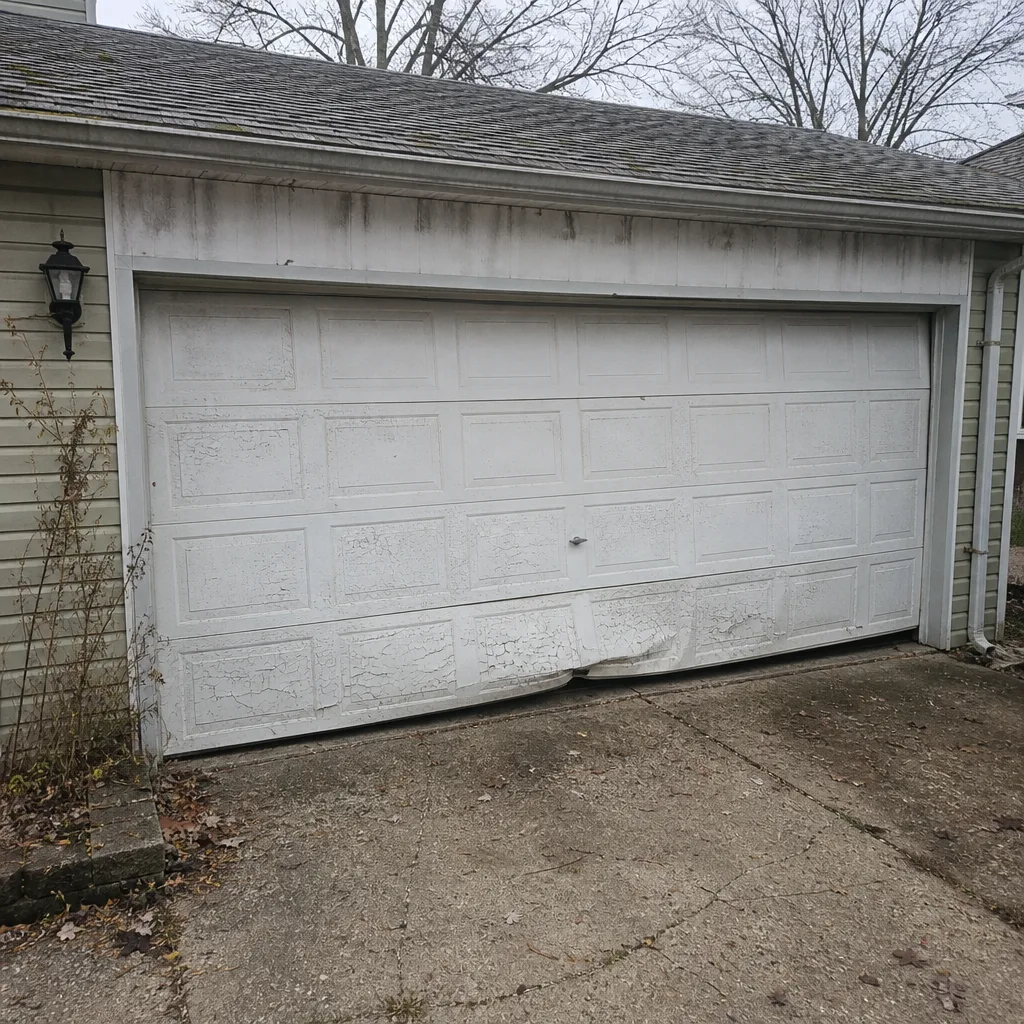 Before
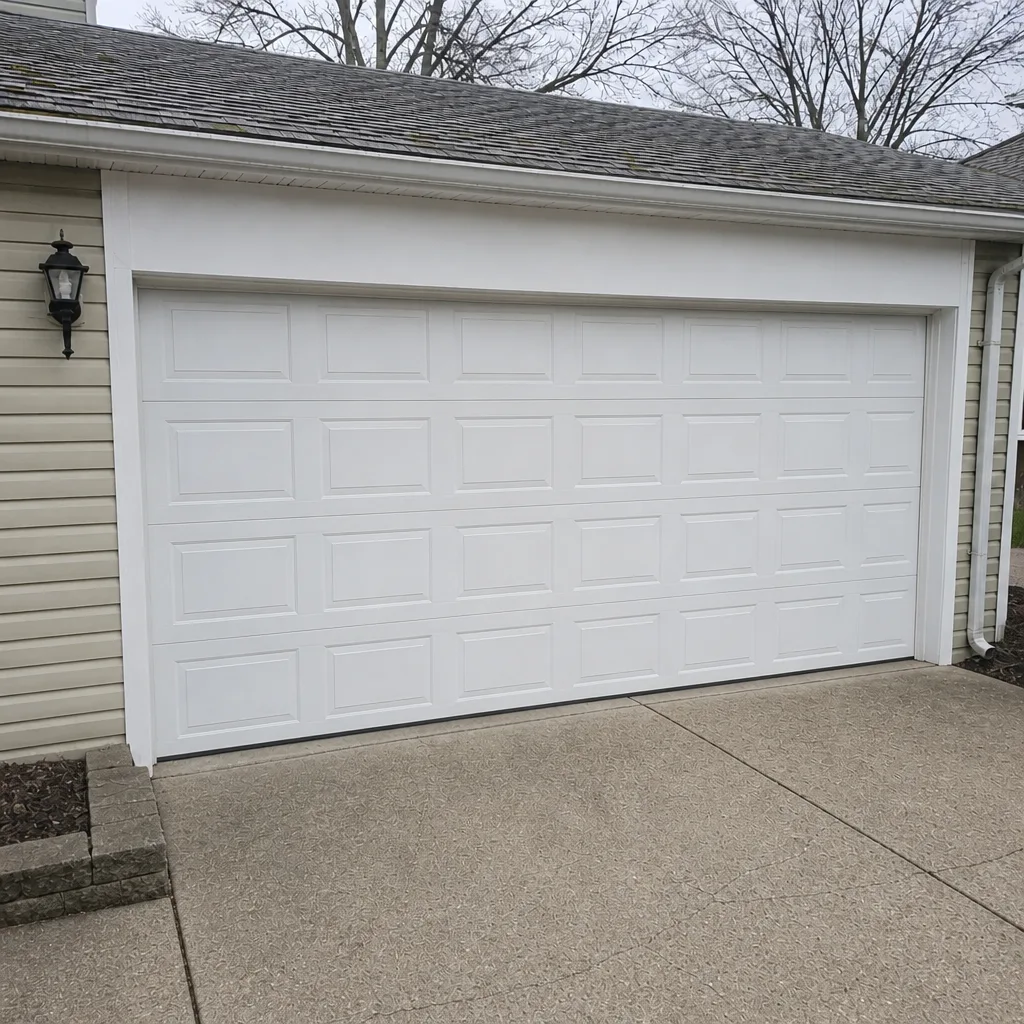 After
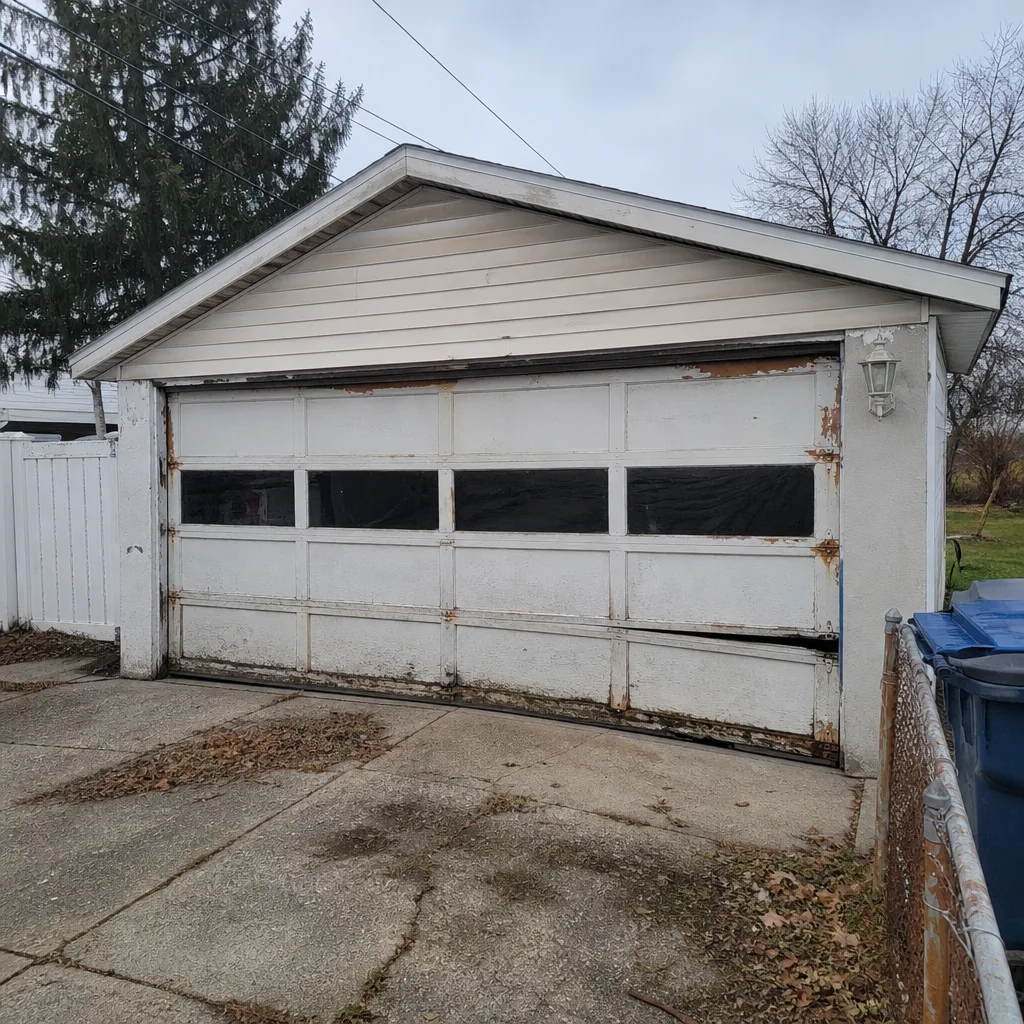 Before
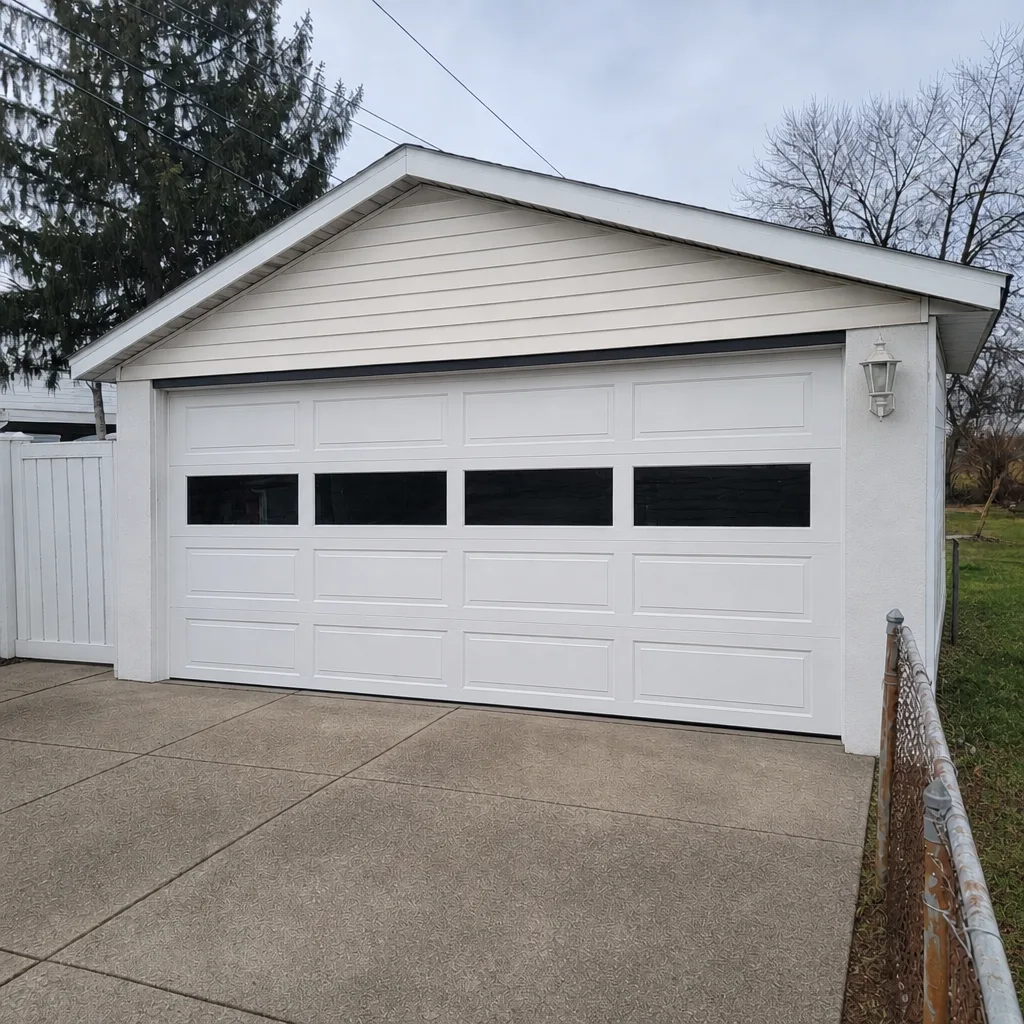 After
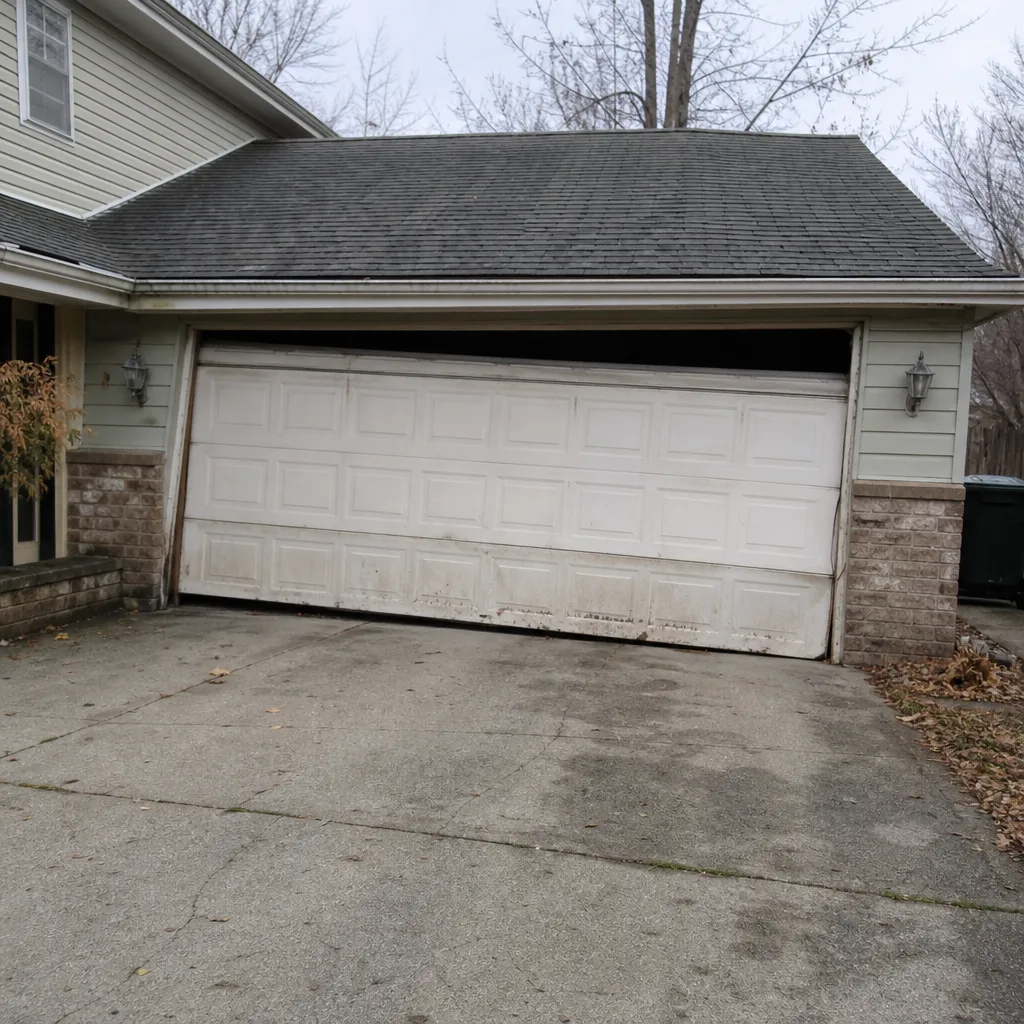 Before
 After
When to Call a Professional
Some garage door work is genuinely a homeowner job: replacing weatherstripping, touching up paint, clearing a track obstruction. The rest isn’t. Call a specialist when the door won’t open or close, when a spring breaks or the door feels suddenly heavy, when the opener runs but the door doesn’t move, or when the door is stuck open and your house is exposed. Call before ordering a replacement on an attached garage, because the fire-rating and permit question needs to be settled before the product is chosen. And call before retroactive permitting gets complicated, since paperwork is easier to sort out with a specialist who knows what inspectors look for. Springfield Garage Door Repair Experts offers free estimates in Springfield; call (855) 684-9798 and we’ll look at the door, the springs and the opener in one visit.
Frequently Asked Questions
You typically need a permit if the garage is attached to your house, especially where the existing door is a fire-rated assembly. A like-for-like replacement on a detached garage usually does not require one. Call Springfield’s Building and Zoning office with your address and the exact scope to confirm before ordering. Call (855) 684-9798 for a free estimate and we’ll help you sort out what your project needs.
A fire-rated garage door is a door tested and labeled to resist fire for a set period, which is code-required on an attached garage under Ohio Residential Code R302. It matters because the door is part of the fire separation between your garage and your living space, and replacing it with an unrated door can put an insurance claim in question. The door, the frame and the opener bracket all have to meet spec as one assembly.
It can, yes. A home inspector will flag unpermitted structural or fire-rated work, and a buyer’s lender may require it to be resolved before closing. Springfield has a retroactive permit path through Building and Zoning, but the correction can cost more than doing it properly would have. Get the permit record sorted before you list.
Many subdivisions do. Common rules include matching panel profiles, approved paint colors and prior architectural review before installation. HOA requirements sit on top of city code, so you need both to clear. Read your covenants before you order the door.
Permit fees vary by project type and valuation, so ask Springfield’s Building and Zoning office for the current fee schedule rather than guessing. The repair or installation cost is separate and depends on the door, the opener and the scope. We quote the price in writing and agree it with you before any work starts. Call (855) 684-9798 for a free estimate.
We don’t recommend it. Torsion springs and the cables under tension store enough energy to cause serious injury, and the tools required aren’t standard homeowner equipment. This is the work general handymen routinely decline. Spring replacement is a core part of what we do, and it’s worth the call: (855) 684-9798.
The Bottom Line
Springfield garage door permitting comes down to a simple split. Cosmetic and mechanical fixes on a detached garage usually don’t need a permit. Anything that touches a fire-rated assembly on an attached garage, changes structural framing, or installs a new opener into a rated system generally does. Get the permit question answered before you order the door, check your HOA rules alongside city code, and keep the permit record, because it’s what protects you at resale and with your insurer. Do that and the process is straightforward. Skip it and the correction is more expensive than the original job. If you’d rather not sort it out alone, we’re happy to help. Call (855) 684-9798 for a free estimate from Springfield Garage Door Repair Experts.
Whether the job is an opener that’s stopped responding or a full replacement, our technicians have up to 15 years of experience across the brands already in Springfield garages, including Amarr, Wayne Dalton, Craftsman and Raynor. For opener-specific problems, start with garage door opener repair, and we’ll tell you honestly whether repair or replacement makes more sense.
Written by the team at Springfield Garage Door Repair Experts.